
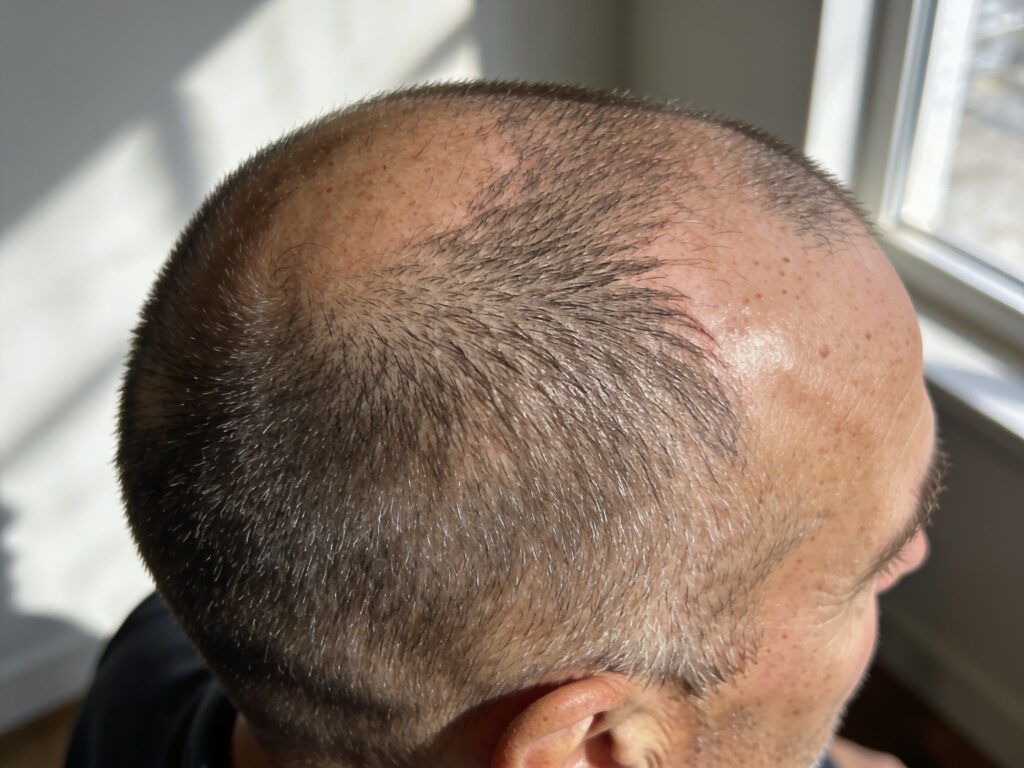
I consider you a strong candidate if you have male pattern baldness, stabilized alopecia areata, visible scarring or uneven density after a hair transplant, chemotherapy-related hair loss, or scarring alopecia from injury or surgery. Active scalp conditions, keloid-prone skin, medication interactions, and aggressive shedding may mean waiting before treatment is appropriate.
You have noticed the thinning. Maybe it has been gradual, maybe it arrived all at once, and now you are weighing up your options. SMP density treatment can look remarkably natural when it is right for you, but it does not deliver the same result for everyone. This article will walk you through exactly who qualifies, who should wait, and what factors genuinely affect your outcome, so you can go into a consultation already knowing where you stand.
Who SMP density treatment is genuinely built for
SMP density treatment works by depositing medical-grade pigment into the scalp at a depth of 1.5 to 2 millimetres, creating the visual impression of hair follicles where density has been lost. It does not stimulate regrowth; it reduces the visible contrast between scalp and hair, making thinning areas look fuller. That distinction matters when you are deciding whether this is the right route.
The strongest candidates are men with androgenetic alopecia, commonly known as male pattern baldness, at any stage, including early diffuse thinning across the crown or vertex. Men with alopecia areata where patchy loss has stabilised also respond well. If you have had a hair transplant and the result left visible scarring or uneven density, SMP is one of the most effective ways to blend and camouflage those areas. Chemotherapy-related hair loss and scarring alopecias from injury or surgery are also within scope.
Skin tone and type play a role as well. SMP works across all skin tones, and in practice the pigment-to-scalp contrast is often easier to calibrate on medium and darker complexions. Dry to normal skin tends to hold pigment longer than oily skin, which can accelerate fading. That does not disqualify anyone, but it does influence how sessions are spaced and how often a follow-up will be needed, typically every three to six years.
The scalp conditions that mean you need to wait
Active scalp conditions are the clearest reason to pause before booking. If you have an ongoing psoriasis flare, active eczema, or scalp acne at the treatment site, pigment cannot be placed safely or accurately. Introducing a needle to inflamed skin risks spreading the condition, compromising healing, and producing uneven results. These are not permanent disqualifications; they are timing issues. Once the skin is calm and stable, treatment becomes appropriate.
Keloid-prone skin is a more significant contraindication. If you have developed raised, thickened scars from previous cuts, piercings, or surgery, there is a meaningful risk that SMP needle work could trigger a similar response on your scalp. This does not apply to everyone with darker skin, as is sometimes assumed; keloid tendency is individual, not demographic. Scar history should always be discussed directly before proceeding.
Men on blood-thinning medications, or those who have recently undergone chemotherapy, should discuss timing with their prescribing doctor before booking. Certain medications affect how the skin heals and how consistently pigment is retained. This is one of the practical SMP contraindications that arises regularly in consultations, and it is worth flagging early rather than discovering it on the day.
How lifestyle and health history shape your result
Two men with identical hair loss patterns can achieve noticeably different longevity from SMP, and lifestyle is a large part of the reason. High sun exposure without SPF is the single biggest accelerant of pigment fading. The pigment sits in the upper dermis, and ultraviolet light degrades it over time. Applying SPF 30 to 50 to your scalp after healing is not optional if you want your result to last; it is the maintenance habit that makes the difference between four years and eight years before a follow-up is needed.
Oily skin, a faster cellular metabolism, and certain medications that affect skin turnover all push pigment out more quickly. This does not mean the treatment will not work for you; it means your session plan and aftercare need to account for these factors. Men with drier, more mature skin often see longer retention with less intensive upkeep.
Your hair loss also needs to be at a reasonably stable point. If you are in a rapid shedding phase, the density pattern created now may look inconsistent in twelve months as surrounding hair continues to thin. That is not always a reason to delay; sometimes treating now and planning a review session makes more sense. However, it is a conversation worth having during an SMP density consultation rather than glossing over.
What happens during a proper candidacy assessment
A thorough consultation is not simply about examining your scalp. It covers your medical history, any medications you are taking, your skin’s behaviour, your scar history, and your realistic expectations for the finished result. Current hair loss distribution is assessed, the likely number of sessions is discussed, usually two to four with each session lasting one to five hours depending on the coverage area, and the healed result is explained in contrast to the immediate post-treatment appearance.
Pigment impressions density is built progressively across sessions: lighter in early sessions, typically around 40 impressions per square centimetre, increasing to 80 to 100 impressions per square centimetre by the final session. The result takes approximately 30 days to fully heal, and the true settled colour only becomes visible after that point. Understanding this timeline means you will not be alarmed by early fading between sessions, as this is expected and factored in.
If you are not yet a candidate, because of an active scalp condition, a medication interaction, or ongoing aggressive shedding, a thorough consultation will make that clear and give you a realistic timeline for when treatment becomes viable. The goal is always a result you will be confident with long-term, not a rushed booking.
Frequently Asked Questions
Can men with all skin tones get SMP density treatment?
Yes. SMP density treatment works across all skin tones. Pigment selection and technique are adjusted to match each individual’s complexion. On medium and darker skin tones, the contrast between pigment and scalp can actually be easier to calibrate for a natural result. Skin tone alone is never a disqualifying factor.
Does hair loss need to have fully stopped before starting SMP?
Not necessarily. Many men begin SMP density treatment while their hair loss is still progressing, with a plan to revisit density and hairline placement in future sessions. However, if you are in a rapid shedding phase, it is worth discussing timing during your SMP consultation so the treatment plan accounts for likely future changes in your hair pattern.
What SMP contraindications apply specifically to men considering density work?
Key SMP contraindications include active scalp psoriasis, eczema, or acne at the treatment site, keloid-prone skin, and certain blood-thinning or immunosuppressant medications. These are not always permanent disqualifications; many are timing issues that resolve once the scalp is calm or medication has been reviewed with a prescribing doctor before treatment begins.
How long does SMP density treatment last before a follow-up is needed?
Most men find their SMP density result lasts three to six years before a follow-up is needed. Longevity depends on sun exposure, skin type, and aftercare habits. Regular SPF 30 to 50 application on the scalp after healing is the single most effective way to extend the result. Oily skin and high UV exposure tend to accelerate fading.
Is there anything I should do before my SMP density consultation?
Come prepared with your medical history, a list of any medications you are currently taking, and an honest account of any scarring tendency you have noticed from past injuries or procedures. Photos of your hair loss progression over time are also useful. The more clearly you can describe your scalp’s behaviour, the more precise and realistic your treatment plan will be.
Will SMP density treatment regrow my hair?
I explain that SMP density treatment does not stimulate hair regrowth. Instead, I deposit medical-grade pigment into the scalp to create the visual impression of hair follicles where density has been lost. By reducing the visible contrast between your scalp and hair, I can make thinning areas look fuller.
