
Neither option is better for everyone. Hair fibers are a temporary, flexible concealer that washes out, while scalp micropigmentation creates a longer-lasting appearance of follicles or added density. I help clients compare their hair loss pattern, styling habits, desired finish and willingness to maintain the result before choosing.
How do SMP and hair fibres work differently?
When clients ask me about a scalp micropigmentation hair loss treatment, I first explain that SMP and hair fibres solve the same visual problem in different ways. Both can reduce the contrast between the scalp and the hair, but only SMP places cosmetic pigment into the scalp. It does not grow hair, change natural growth or repair an underlying hair condition.
SMP uses fine needles to deposit tiny dots of pigment in the epidermal and upper dermal layers. The dots are arranged to resemble closely cut hair follicles or to reduce visible scalp between existing hairs. Pigment is selected to complement your current hair follicle color, whether your hair is white, blonde, brown or black.
Hair fibres are loose concealing particles applied to existing hair. They can make thinning look less noticeable when there is enough hair for the fibres to grip. They are useful for a particular event, photograph or day, but they are not a permanent solution and they do not work in the same way on a completely bald area.
My scalp micropigmentation treatment overview explains the procedure in more detail, including what the treatment is designed to achieve.
Which option looks more natural?
The most natural choice depends on your existing hair, the pattern of loss and how you wear it. Hair fibres can look convincing when they match your hair color and are applied lightly. They may be less suitable in rain, wind, swimming or situations where the hair is handled.
SMP can create the appearance of stubble on a shaved scalp, or it can be placed between existing hairs to reduce show-through. It can also help camouflage some scalp scars, birthmarks and areas of thinning. The intended result is visual density, not a scalp that looks painted or completely filled in.
Hairline design matters particularly when someone has a receding hairline or is fully bald. I mark the proposed treatment area and discuss the hairline before proceeding. For a fully bald client, the hairline should relate to facial structure and age. A hairline that is too low, straight or dark can look unnatural, so I encourage anyone considering SMP to review a practitioner’s hairline work carefully.
For women, the pattern is often different. Female pattern hair loss commonly creates diffuse thinning while the frontal hairline remains relatively intact. In that situation, density treatment between existing hairs may be more appropriate than recreating a shaved hairline. Suspected female pattern loss should also be medically assessed, including blood tests where appropriate, because other diseases, metabolic conditions and hormone imbalances can produce similar symptoms.

Which lasts longer and requires less upkeep?
Hair fibres are temporary by design. They normally need to be reapplied whenever you want coverage, and they can wash or brush out. That flexibility is useful if your hairstyle, color or degree of thinning changes frequently.
SMP is intended to be a long-lasting cosmetic tattoo treatment. It does not wash out with shampoo, although the color gradually softens as the skin naturally exfoliates. Sun exposure, oily skin, a fast cellular metabolism, some medications and certain hair loss treatments can affect how quickly pigment fades. Long-term broad-spectrum sunscreen on the scalp can help protect the result.
A full SMP course commonly involves several sessions spaced a few weeks apart. Each appointment allows me to assess how the skin has settled and build the result carefully rather than trying to create all the density at once. Touch-ups may eventually be appropriate, and the treatment can be removed later with laser treatment if necessary. Removal can be more complicated when pigment was placed incorrectly, which is another reason experience and conservative application matter.
What is the treatment and aftercare like?
Before an SMP session, wash your hair and scalp. During the consultation and preparation, we discuss your medical history, skin, lifestyle, expectations and allergies. The treatment area is marked, the hairline is agreed where relevant, pigment is matched and numbing medicine is used. A patch test can also be discussed if you have concerns about reactions.
SMP usually causes minimal discomfort, although sensitivity varies. It is not surgery, so there are no incisions and no surgical downtime. It is still a cosmetic tattoo procedure, so careful hygiene, appropriate licensing and sensible aftercare are important.
As general editorial aftercare information, clients are usually advised to keep the scalp dry during the initial healing period. Use a shower cap when bathing, and avoid washing the hair, heavy exercise, steam rooms and hot showers that cause sweating. Avoid direct sun on the scalp for several days. Follow the specific instructions given after your appointment, including whether and when to use a light petrolatum-based moisturizer such as Aquaphor or Vaseline.
Do not pick scabs or scratch the treated area. Contact your practitioner if you notice increasing redness, swelling, warmth, unusual discomfort or another healing concern that was not discussed at consultation.
How should you choose between SMP and hair fibres?
I suggest asking yourself whether you want a removable product or a treatment that remains visible through everyday washing. Consider whether you have enough existing hair for fibres to attach, whether you regularly swim or exercise, and whether you prefer a shaved, density or camouflage effect.
- Hair fibres may suit you if you want temporary coverage, change your appearance often or are still deciding what kind of result you prefer.
- SMP may suit you if you want to reduce scalp contrast without applying a product each day, or if you want to address a shaved appearance, diffuse thinning or suitable scarring.
- A consultation is important if your loss is sudden, patchy, inflamed or unexplained, because SMP conceals appearance and does not diagnose or treat the cause.
Choose a licensed, experienced cosmetic or body artist, ask about bloodborne pathogens training, and review healed examples rather than only fresh photographs. Ask which pigments and technique are used, how the practitioner approaches your hairline, and what happens if you later need a correction or removal.
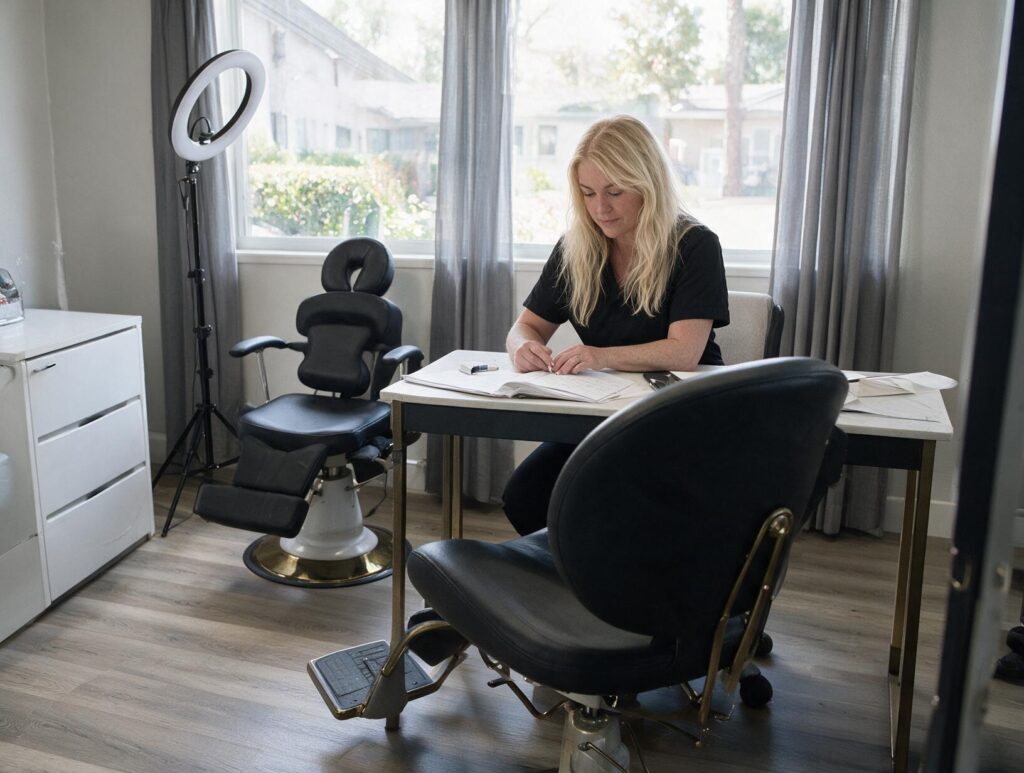
At Micropigment Studio in San Jose, I provide male density, female, and shaved scalp micropigmentation. My background includes permanent cosmetics, esthetics and ongoing SMP education, including SMP certification in 2021 and again in 2022. I use consultation to establish realistic expectations, because some scalp showing through the hair is a normal part of a natural-looking result.
If you would like to discuss your pattern of hair loss and your options, you can contact Micropigment Studio in San Jose to arrange a consultation.
Frequently asked questions
Can I use hair fibres before deciding on SMP?
Yes. Hair fibers can be a practical temporary way to see how reduced scalp contrast looks before you consider a longer-lasting option. They may also help you explain your preferred level of coverage during consultation. Remember that fibres depend on existing hair and can behave differently from a shaved scalp SMP result.
Can SMP cover a hair transplant scar?
SMP may camouflage suitable donor or recipient-area scarring by reducing the color contrast between the scar and surrounding scalp. Scar tissue can hold pigment differently from normal skin, so the area needs individual assessment. Ask to see healed examples of scar work and discuss the possibility of more noticeable fading.
Can SMP be used while taking hair loss medication?
It may be possible, but medication, the reason for hair loss and changes in your hair pattern should be discussed before treatment. Medication can affect future density and how the result is perceived. A consultation should consider whether your hair loss is stable and whether medical advice is needed.
Is SMP suitable for every type of hair loss?
No. SMP can camouflage several patterns, including male or female thinning, some alopecia, chemotherapy-related loss and scars, but suitability depends on the scalp, diagnosis, skin condition and expectations. Sudden, active or unexplained loss should be assessed by an appropriate healthcare professional before cosmetic camouflage.
What if my hair color changes after SMP?
SMP pigment is chosen to complement your current hair follicle color, so a significant change in hair color may alter the visual match. This is worth discussing if you regularly dye your hair or are embracing natural gray. A conservative design can make future color changes easier to manage.
Can I shave my head after having SMP?
Many clients choose to shave or closely clip their hair because SMP can create the appearance of follicles. You should wait until the initial healing instructions allow clipping or shaving, then use a method that does not irritate the scalp. Your practitioner can advise based on the treated area's healing.
