
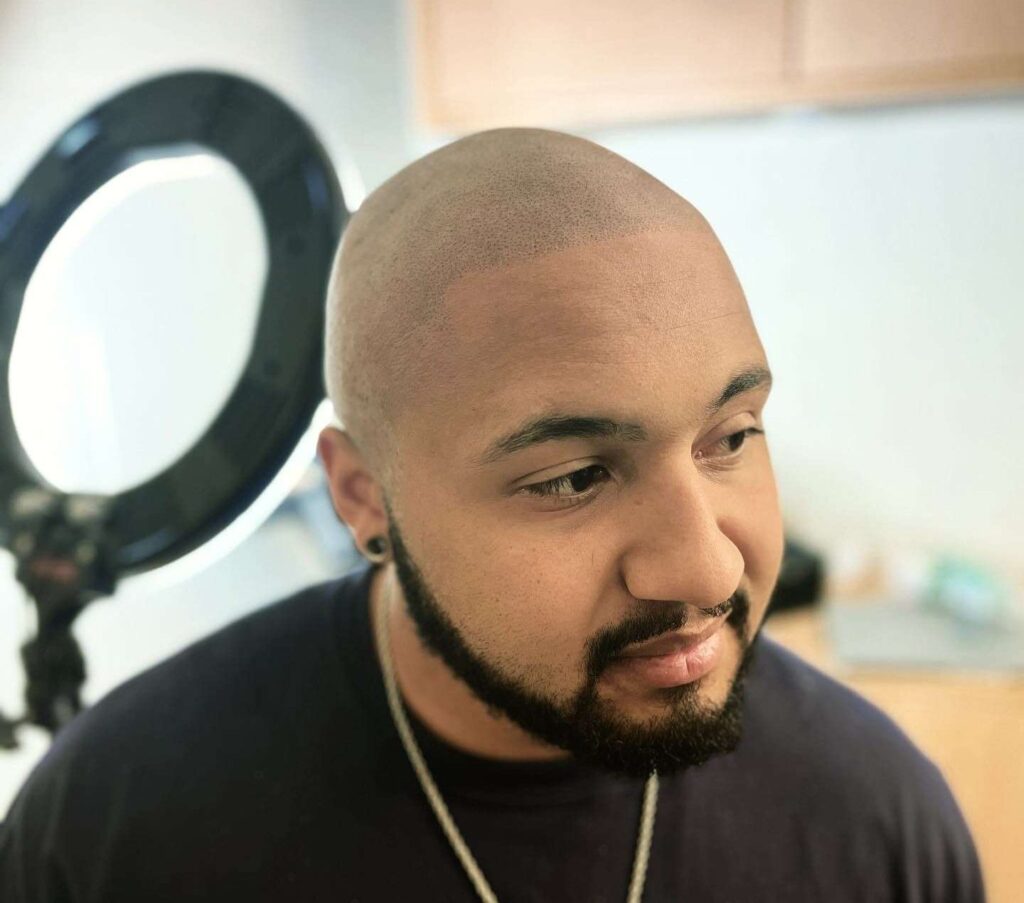
I explain that SMP began with early 20th-century scalp tattooing experiments but took its modern form in the early 2000s, primarily in the United Kingdom. Specialized pigments, fine needle configurations, improved training, and dedicated protocols transformed it into the refined paramedical procedure used today for hair loss and scar concealment.
Scalp micropigmentation has come a long way. What started as a rough idea borrowed from the tattooing world has evolved into one of the most precise, effective, and in-demand cosmetic procedures available for hair loss today. As someone who has spent decades working in micropigmentation and permanent cosmetics, I find the history of SMP genuinely fascinating, because understanding where it came from helps explain just how refined and trustworthy it has become.
The Early Roots: Tattooing and the Scalp
The idea of using pigment to simulate the appearance of hair follicles on the scalp is not as new as most people think. As far back as the early 20th century, traditional tattoo artists were experimenting with placing pigment on the scalp, usually for people with scars or visible patches of hair loss. These early attempts were crude by today’s standards. Artists used standard tattoo ink, which was formulated for decorative body art, not for replicating the delicate appearance of hair follicles.
The results were often disappointing. Traditional tattoo ink tends to migrate and spread beneath the skin over time, and the pigments frequently faded to unnatural blue or green tones. Without the right technique, needle configuration, or pigment chemistry, the results looked nothing like real stubble. Still, those early experiments planted the seed that would eventually grow into modern scalp micropigmentation.
The Early 2000s: SMP Takes Shape
The real turning point came in the early 2000s. Practitioners in the United Kingdom, most notably at HIS Hair Clinic, began developing a more systematic approach to scalp pigmentation. Rather than using traditional tattoo methods, they started working with finer needle configurations, lighter hand pressure, and pigments specifically chosen for their behavior in scalp tissue.
This was a pivotal shift. For the first time, SMP was being treated as a paramedical procedure with its own protocols, rather than just a tattooing trick. The concept of replicating individual follicular units as tiny, round impressions in the skin, rather than drawing lines or filling in solid color, became the defining principle of the technique.
Around the same time, dermatologists and hair restoration specialists in the United States began paying attention. Early published research from practitioners like Dr. William Rassman helped bring the procedure into clinical conversations, particularly as a way to camouflage hair transplant scars and improve the visual density of thinning hair.
Why the Early Techniques Often Failed
Even with the improvements of the early 2000s, SMP was still far from perfect. Many practitioners were self-taught, working with modified tattooing equipment and pigments that were not designed for the scalp. The results could be inconsistent, and clients sometimes experienced:
- Pigment that faded to unnatural tones over time
- Dots that spread and blurred, losing their sharp, follicular appearance
- Hairlines that looked flat or artificial due to poor design and depth placement
- Inadequate color matching, particularly for clients with lighter or graying hair
These early shortcomings gave SMP a somewhat mixed reputation in its formative years. But they also motivated serious practitioners to push harder for better standards, better tools, and better education, and that drive is exactly what led to the modern treatment we have today.
The Refinement Era: 2010s and the Rise of Specialized Training
By the 2010s, the SMP industry had grown significantly, and with that growth came a real push for professionalization. Dedicated SMP academies began emerging, separating the discipline from general tattooing entirely. Specialized pigments formulated to behave predictably in scalp tissue became more widely available. Needle cartridges were engineered specifically for the micro-dot technique that makes SMP look realistic at close range.
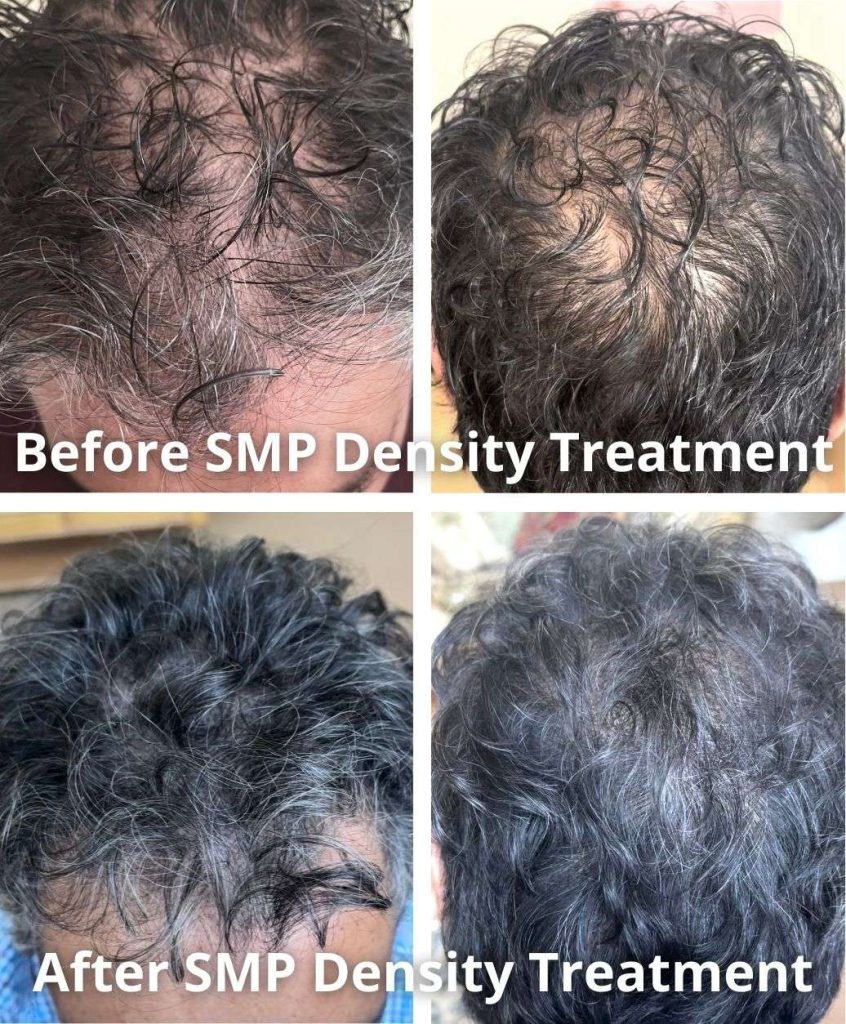
Training programs started emphasizing anatomy, skin type assessment, hairline design theory, and the science of pigment retention, topics that had never been part of traditional tattoo training. This was the era where SMP stopped being a niche workaround and started becoming a legitimate, evidence-backed cosmetic solution.
This is also when I pursued my own SMP certification, training with master trainer Shane Herrera at Scalp MicroNation in Huntington Beach in 2021, followed by advanced certification with master trainer John Chandler at ScalpCo Academy in 2022. That foundation of expert-led, specialized education is something I believe makes an enormous difference in outcomes, and it is something I continue to build on every year through ongoing advanced training.
What Modern SMP Actually Looks Like Today
Modern scalp micropigmentation is a world apart from those early tattooing experiments. Today’s procedure uses:
- Specialized pigments formulated to retain their tone without turning blue, green, or purple over time
- Fine-gauge needle configurations that allow for precise, controlled impressions at the follicular scale
- Layered, multi-session application that builds density gradually for a natural, dimensional result
- Custom hairline design based on the client’s facial structure, age, and aesthetic goals
- Advanced color theory to match pigment to existing hair color, skin undertone, and the natural variation of real follicles
The result, when performed by a skilled and properly trained SMP Artist, is a result that looks like a freshly shaved head or a fuller hairline, not a tattoo. Most people who see it in person simply cannot tell it is a cosmetic procedure. That level of realism was simply not achievable in the early days of the technique.
SMP as a Paramedical and Wellness Procedure
One of the most important shifts in the evolution of SMP has been its recognition as a paramedical procedure, not just a cosmetic enhancement. Today, SMP is widely used to:
- Camouflage scars from hair transplant surgery (FUT and FUE procedures)
- Help women experiencing hair thinning due to hormonal changes or alopecia
- Assist clients with alopecia areata or totalis who have no hair at all
- Provide coverage for scars from accidents, burns, or surgery
- Restore confidence in chemotherapy patients who prefer a shaved aesthetic
This expansion into paramedical applications speaks to just how far the procedure has come. Studies and case reports published in dermatology journals have documented SMP as a safe, effective, and minimally invasive option for a wide range of hair loss presentations. The global SMP market, valued at over $8 billion as of recent estimates, reflects just how much demand has grown as awareness and technique quality have improved.
The Role of Micropigmentation Expertise in SMP Quality
What a lot of people do not realize is that SMP does not exist in isolation. The best SMP practitioners tend to have a deep background in micropigmentation more broadly. My own career started with cosmetic makeup artistry and esthetics training in the late 1970s, expanded into permanent cosmetics and micropigmentation through the 1980s and 1990s, and eventually brought me to SMP as a natural extension of that specialized knowledge.
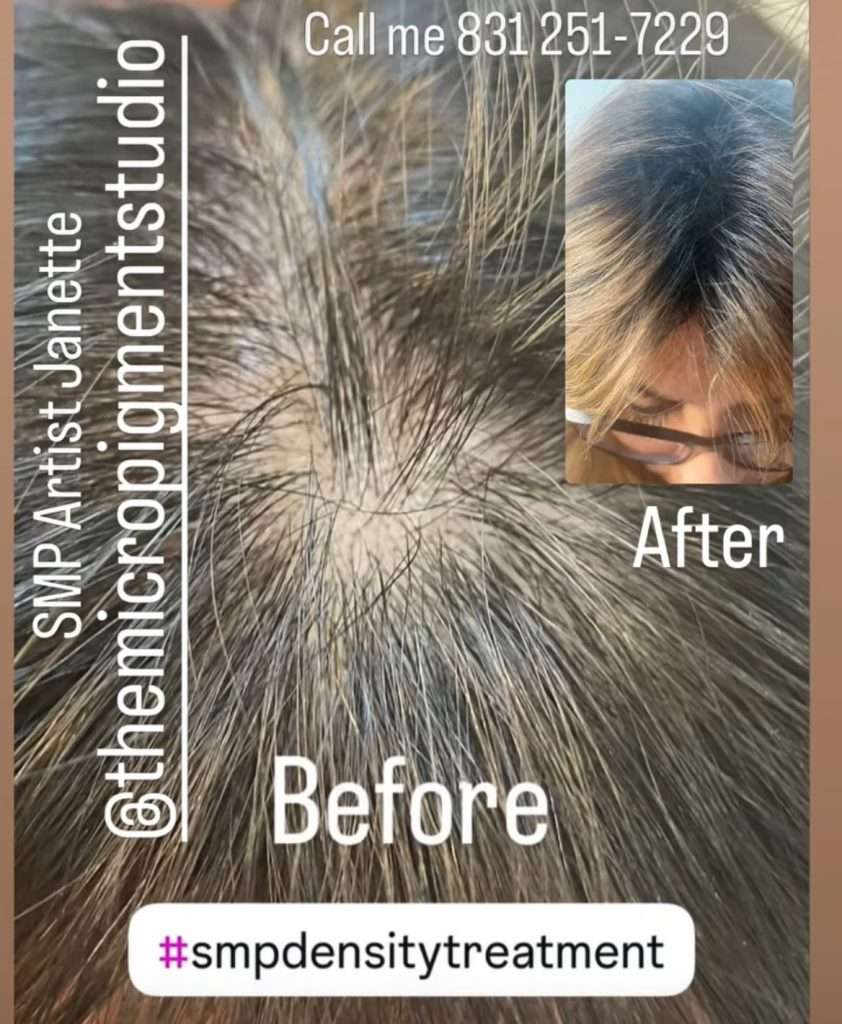
Understanding how different skin types retain pigment, how depth and pressure affect color saturation, and how to create impressions that look natural rather than mechanical, these are skills that come from years of working intimately with pigment and skin. SMP borrows from all of that accumulated expertise, and clients who work with a practitioner who has that kind of depth of experience get noticeably better outcomes as a result.
Where SMP Is Headed
The future of scalp micropigmentation looks genuinely exciting. Pigment technology continues to improve, with newer formulas offering longer-lasting results and more predictable retention across a broader range of skin tones. Needle innovation is ongoing, and training standards are becoming more rigorous as the industry matures.
There is also growing integration between SMP and hair restoration medicine. Dermatologists and hair transplant surgeons increasingly refer clients to qualified SMP Artists to complement surgical results, improve scar concealment, or help patients who are not yet candidates for surgery. That collaboration between medical and cosmetic practice is a sign of real credibility.
At The Micropigment Studio, I am committed to staying at the forefront of all of it. Every year I invest in continued education because this field rewards practitioners who keep learning. My clients deserve nothing less than the most current, most refined technique available, and that commitment does not change.
Why History Matters When Choosing Your Provider
Understanding the history of SMP helps you ask better questions when you are evaluating a provider. Where did they train? Who trained them? Do they have a background in micropigmentation broadly, or did they jump straight into SMP from an unrelated field? How long have they been practicing, and how often do they pursue continuing education?
Those questions matter because SMP has a history of poor results when performed by undertrained or underqualified practitioners. The evolution of the technique happened specifically because early results were not good enough. Choosing someone who understands that history, and who has committed to the higher standards that emerged from it, is the single most important decision you will make in this process.
SMP has earned its reputation as one of the most transformative procedures available for hair loss, and that reputation was built one committed, well-trained practitioner at a time.
Frequently Asked Questions
Q1: How long has scalp micropigmentation been around?
SMP in its most basic form dates back to early 20th century tattooing experiments on the scalp, but the modern version of the procedure began taking shape in the early 2000s, primarily in the United Kingdom. By the 2010s, dedicated training academies and specialized pigment formulations had emerged, turning SMP into the refined, paramedical procedure it is today. So depending on how you define it, SMP has existed in some form for over a century, but the technique most practitioners use today is really only about two decades old in its recognizable form.
Q2: Is modern SMP very different from early versions?
The difference is significant. Early SMP used traditional tattoo ink, which tends to fade to blue or green tones in the scalp, and standard tattoo needles that were not designed for the precise micro-dot work SMP requires. Results often looked artificial or faded unpredictably. Modern SMP uses specialized pigments formulated for scalp tissue, fine-gauge needle configurations built specifically for follicular replication, and layered multi-session application techniques. The level of realism achievable today is dramatically higher than what was possible even 15 to 20 years ago, which is why the procedure has grown so substantially in popularity and clinical credibility.
Q3: Why did it take so long for SMP to become mainstream?
A few reasons contributed to the slow rise of SMP. Early results were inconsistent due to inadequate tools and pigments, which created skepticism among both clients and medical professionals. There were also no formal training standards for a long time, meaning quality varied wildly between practitioners. It took dedicated industry professionals to develop specialized academies, pigment formulas, and procedural protocols before SMP could build the kind of consistent, documented results that earn mainstream trust. As training quality improved and outcomes became more reliable, word spread, and SMP began gaining the recognition it deserved. The internet and social media also played a big role in accelerating awareness from around 2015 onward.
Q4: Does the history of SMP affect how I should choose a provider?
Absolutely, and I think this is one of the most underappreciated points when clients are doing their research. Because SMP developed from an era where results were often poor, the quality of a practitioner is heavily tied to the quality of their training and their ongoing education. Look for an SMP Artist who trained under recognized master trainers, who has a background in micropigmentation beyond just SMP, and who invests in continuing education regularly. Ask to see a full portfolio across different skin tones and hair loss presentations. A practitioner who understands the history and evolution of the technique is much more likely to deliver results that hold up beautifully over time.
Q5: Is SMP recognized as a medical or paramedical procedure?
SMP is widely recognized as a paramedical cosmetic procedure, which means it sits in the space between cosmetic enhancement and medical treatment. It is used clinically by dermatologists and hair restoration surgeons as a complementary procedure to surgery, as well as a standalone solution for clients who are not surgical candidates. Peer-reviewed dermatology literature has documented its use for alopecia, scarring, hair loss from chemotherapy, and surgical scar camouflage. That paramedical classification is significant because it elevates the standards expected of practitioners and reinforces the importance of training with a qualified SMP Artist who understands both the cosmetic and clinical dimensions of the work.
Q6: Will SMP techniques continue to improve?
Yes, and this is one of the things that genuinely excites me about the field. Pigment technology is advancing steadily, with newer formulations offering better retention, more predictable color behavior, and improved performance across a wider range of skin tones. Needle technology continues to evolve as well, allowing for even finer detail and more precise follicular impressions. There is also growing collaboration between SMP practitioners and the medical hair restoration community, which is driving more rigorous research and better clinical integration. I stay current with all of these developments through annual advanced training, because my clients deserve the best the field has to offer, not just where SMP was five years ago, but where it is right now.
