
I recommend waiting until breastfeeding is fully finished before booking SofTap. If you are not breastfeeding, wait at least six to eight weeks postpartum so your hormones can settle and your skin can return to its usual behavior. After weaning, wait through one additional menstrual cycle before your appointment for more stable healing and pigment retention.
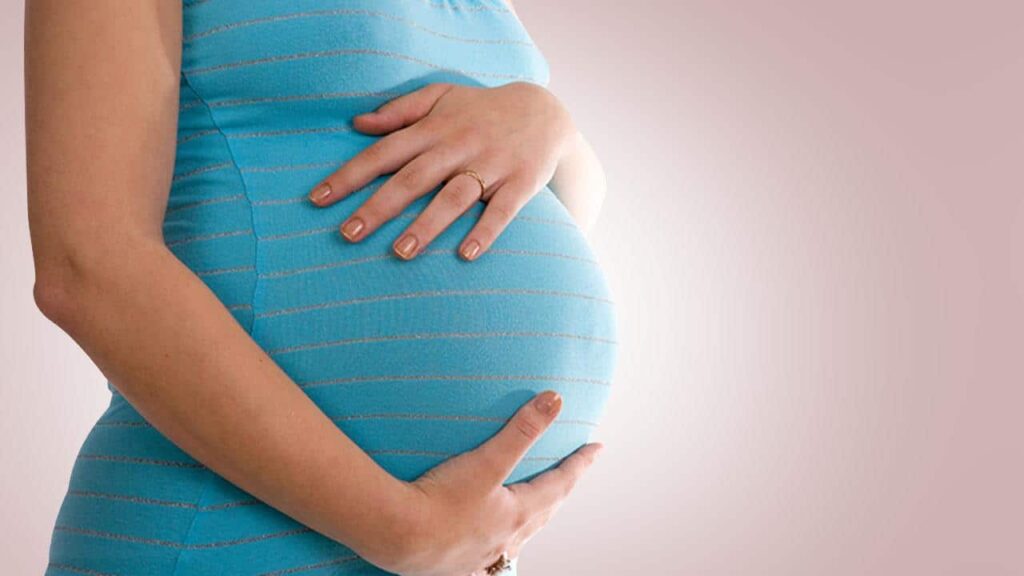
You’ve been thinking about microblading for months, and then a pregnancy test changes the picture overnight. Or maybe you’re already booked and now wondering whether to keep the appointment or push it back. I get this question often at the studio, and I want to give you a straight, honest answer rather than the cautious legal-speak you’ll find on most websites. Here’s how I think about microblading, the SofTap method I personally use, and why pregnancy changes the conversation.
What SofTap microblading actually is
Before we get into pregnancy specifically, it helps to understand exactly what I do at the studio, because the technique I use is different from the standard microblading you’ll read about elsewhere. SofTap is a manual, hand-tapped method of permanent cosmetics that I’m specifically certified in through the SofTap Permanent Cosmetic Academy in Livermore, California.
Here are the key differences between SofTap and traditional bladed microblading:
- SofTap uses small, disposable hand tools to tap pigment into the upper layers of skin. There is no blade, no cutting, and no machine vibration.
- Traditional microblading uses a fine blade to make tiny incisions in the skin, then deposits pigment into those cuts.
- SofTap pigments are hypoallergenic and body-compatible, formulated specifically for permanent cosmetics rather than tattoo ink.
- Healing with SofTap is typically faster and less inflammatory because the skin is tapped rather than sliced.
- SofTap results tend to look softer and more natural, mimicking real hair without the hard edges that bladed microblading can sometimes leave as it heals.
I mention this upfront because the skin trauma involved in SofTap is meaningfully different from what you’d experience with a bladed technique. That difference matters when we talk about pregnancy, but it doesn’t change the underlying answer, which I’ll get into next.
Why I won’t perform SofTap on a pregnant client
The simplest reason is also the most important. Any procedure that introduces pigment into broken or punctured skin carries some risk, and during pregnancy your body is in an unusually delicate state. SofTap is gentler than bladed microblading, but it still involves micro-trauma to the upper layers of skin. That’s where the concern starts.
During pregnancy, your immune system is intentionally dialed down. That isn’t a flaw, it’s how your body keeps from rejecting the baby. The downside is that your defenses against infection at any skin trauma site are reduced, and even small infections can lead to bigger complications when you’re pregnant.
There’s also the pigment question. SofTap pigments are designed to be body-compatible, but no manufacturer has run safety trials on pregnant women, because no one ethically can. That means there’s no published data confirming pigment particles are completely harmless when absorbed during pregnancy. I’m not willing to be the practitioner who finds out.
What pregnancy actually does to your skin and brows
Even setting safety aside, the cosmetic results during pregnancy tend to disappoint. Hormonal shifts mean your skin will likely behave differently than it normally does. Most pregnant clients I’ve seen develop one or more of the following changes:
- Increased oiliness, which causes pigment strokes to blur and fade faster than expected
- Heightened sensitivity, leading to more swelling and prolonged redness during healing
- Higher melanin activity, which raises the risk of dark patches forming at the treatment site
- Faster blood circulation, which can disperse pigment unevenly under the skin
These changes don’t all hit every woman, but they’re common enough that I steer clients away from booking during pregnancy. The brows you walk out with may look very different a month later, and corrections aren’t always straightforward when your skin is still in hormonal flux.
What about SofTap microblading while breastfeeding?
This is where I get pushback from clients, because by the time the baby arrives most women are eager to feel like themselves again. I understand that completely. But the same logic still applies during nursing. Your immune response is still adjusted, and anything that enters your bloodstream can theoretically pass into breast milk.
My honest recommendation is to wait until breastfeeding is fully wrapped up before booking your SofTap session. That isn’t a sacrifice. It’s giving yourself the best possible chance at clean healing and pigment that holds the way you want it to.
My bottom line on SofTap and pregnancy
If you’re pregnant or nursing, my answer is the same one I’d give my own daughter. Wait. SofTap is a gentle, beautiful technique that’s served my clients well for decades, and when you do book your session, I want you to walk out with the result you actually came for. That happens when your body is back to its normal rhythm, not before.
Frequently Asked Questions
Can I have SofTap microblading in the first trimester if my pregnancy is very early?
No trimester is considered safe for any microblading procedure, including SofTap. The concerns, which include suppressed immunity, unpredictable hormonal effects on skin, and the unknown impact of pigment absorption during pregnancy, apply at every stage from conception onward. Most experienced SMP Artists and permanent cosmetic practitioners will decline the appointment regardless of how early in the pregnancy you are. I’d much rather have you call me a year from now and book the right way than risk a poor cosmetic outcome or any complication during pregnancy. The procedure isn’t going anywhere, and waiting gives you the result you’re actually paying for.
How long after giving birth should I wait before booking SofTap microblading?
If you’re not breastfeeding, I generally recommend at least six to eight weeks postpartum so your hormones can settle and your skin returns to its usual behavior. If you are breastfeeding, I ask clients to wait until they’ve fully weaned their baby before booking with me. After weaning, give yourself one additional menstrual cycle before the appointment, just to make sure your hormones have fully stabilized. Following that timeline gives the SofTap pigment its best chance of healing evenly and lasting the way it should, which is typically a couple of years before a refresh is needed.
Is SofTap safer than traditional bladed microblading during pregnancy?
SofTap is gentler than bladed microblading because there is no blade cutting into the skin, only fine disposable hand needles tapping pigment in. The healing process is less traumatic and the pigments are formulated to be body-compatible rather than tattoo ink. That said, gentler doesn’t mean risk-free during pregnancy. The skin is still being broken, pigment is still being introduced, and your immune system is still suppressed. I don’t perform SofTap or any other form of microblading on pregnant clients for the same reasons I’d avoid bladed methods. The safety bar during pregnancy is set above what any cosmetic procedure can reasonably meet.
Will my existing SofTap or microblading brows be affected by pregnancy?
Yes, they likely will be. Existing pigmented brows often fade more quickly during pregnancy because of increased skin oiliness, higher blood flow, and hormonal shifts that affect how the body holds pigment. Some clients also notice a small change in tone, like brows looking warmer or cooler than they did before pregnancy. This is normal and usually corrects itself once your hormones settle in the months after birth. A SofTap touch-up after pregnancy and any breastfeeding is often the simplest fix, and I schedule those for clients regularly.
Can I use numbing cream during pregnancy to make microblading safer?
Numbing creams actually add to the concern rather than reducing it. Most topical anesthetics contain lidocaine, which is absorbed through the skin into the bloodstream. Its safety at the concentrations used in cosmetic procedures hasn’t been established for pregnant women, so combining SofTap or bladed microblading with topical numbing during pregnancy is layering one unknown on top of another. I don’t recommend it, and I won’t perform the procedure even if a client offers to skip the numbing entirely. The right move is to wait until after you’ve given birth and finished nursing, then we can do everything properly.
What should I do if I already booked a SofTap appointment and then became pregnant?
If you become pregnant after booking, I recommend postponing the appointment. I do not perform SofTap or other microblading during pregnancy, regardless of the trimester, because the skin is still broken, pigment is introduced, and hormonal and immune changes can affect safety and healing. We can revisit booking after the appropriate waiting period.
