
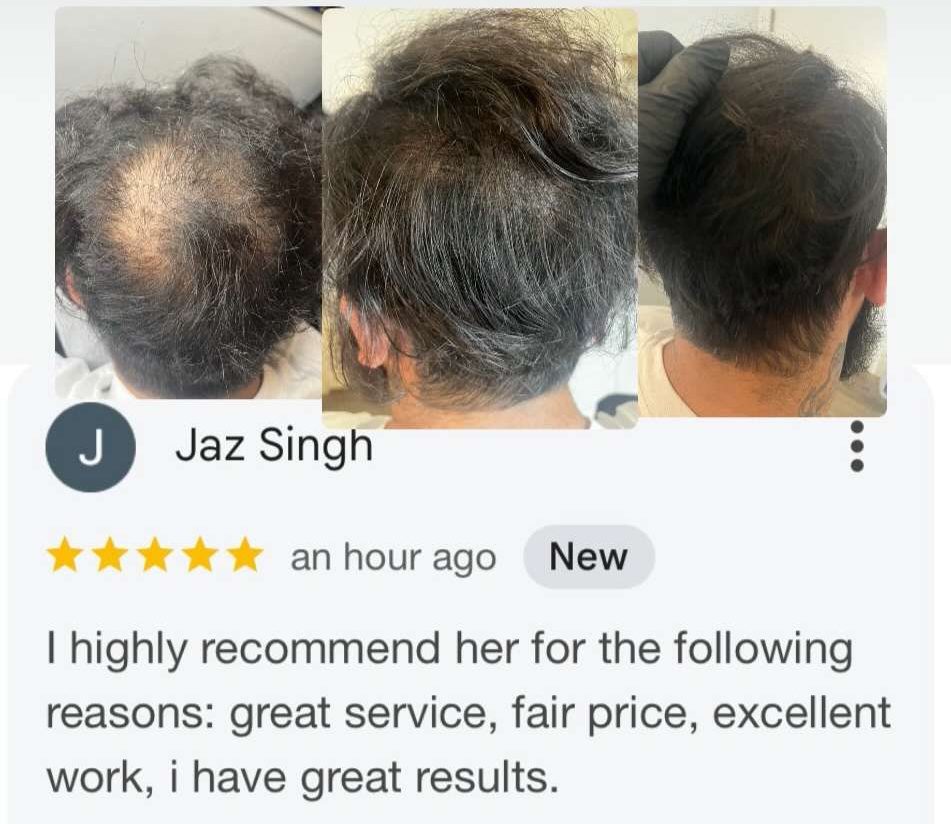
I explain that SMP and a hair transplant answer different needs. SMP creates the visual effect of density without restoring hair growth, while a transplant relocates living follicles to produce real hair. I help men compare cost, downtime, appearance, longevity, donor supply, loss pattern, lifestyle, and the result they genuinely want.
You are thinning, you have accepted it, and now you are weighing two very different options. This article puts scalp micropigmentation (SMP) and hair transplant surgery side by side across the five factors that matter most: cost, downtime, what the result actually looks like, how long it lasts, and who each option genuinely suits. By the end, you will have a clear decision framework, not a sales pitch.
1. What each procedure actually does to your scalp
SMP does not restore hair growth. It does not touch your follicles, stimulate regrowth, or treat the underlying cause of your hair loss. What it does is deposit medical-grade pigment into the scalp using an electric needle device, creating thousands of tiny impressions that replicate the look of hair follicles. The visual effect is increased density, a sharper hairline, or a close-cropped appearance, depending on what you need.
A hair transplant, whether FUE (follicular unit extraction) or FUT (follicular unit transplantation), physically relocates living follicles from a donor area, typically the back of your head, to the thinning zone. Those follicles then grow real hair. The distinction matters enormously: one creates the illusion of density, the other attempts to restore actual growth. Neither is better in absolute terms. They answer different questions.
2. The cost gap is wider than most men expect
SMP for male density typically runs between £1,000 and £3,500 in the UK (US$400 to $5,000 depending on coverage and location), spread across two to four sessions. A maintenance session every three to five years is also advisable as pigment naturally fades. That is a predictable, manageable outlay.
FUE hair transplant surgery in the UK routinely costs £5,000 to £15,000 or more, and premium clinics in London or abroad can push well beyond that. FUT is generally slightly cheaper but involves a linear scar at the donor site. Neither is covered by insurance, and neither guarantees a result that eliminates the need for further treatment. If your hair loss is still progressing, you may need additional transplant sessions down the line, which compounds the cost significantly.
3. Downtime tells a very different story
After an SMP session, redness typically settles within two to three days. For the first four days you will need to keep the scalp dry, avoid shampoo, skip the gym, and stay out of the sun. From day five you can wash gently. By day ten most clients are back to their full routine, with SPF applied to the scalp on an ongoing basis. Full healing takes approximately 30 days after your final session.
A hair transplant is a surgical procedure. Recovery involves scabbing, swelling around the hairline and forehead, and a rest period of at least one to two weeks from work in many cases. Transplanted hair sheds in the first few weeks, which is normal but deeply unsettling if you are not prepared for it. Visible new growth typically does not appear until three to four months post-surgery, with the final result taking up to twelve months to assess properly.
4. Longevity requires honest expectations on both sides
SMP pigment sits at the epidermal-upper dermal interface, roughly 1.5 to 2 millimetres into the skin. Dermal pigment persists within fibroblasts but gradually fades due to sun exposure, skin ageing, and immune activity. Most clients see results lasting four to eight years before a follow-up is needed, though this varies. Oily skin, high sun exposure, and faster cellular metabolism accelerate fading. Dry skin, consistent SPF use, and advanced hair loss patterns support longer-lasting color.
Hair transplants, when successful, produce permanent follicles that grow hair for life. However, hair loss around those transplanted follicles typically continues, which means the transplanted islands of hair can look increasingly isolated over time. Many surgeons recommend SMP as a complementary treatment precisely because it fills the density gaps that surgery alone cannot address. The two are not always competing options.
5. Your hair loss pattern determines which option is realistic
SMP suits virtually any stage of male pattern baldness, including Norwood scale grades where there is insufficient donor hair for a transplant to look natural. It also works well for alopecia areata, post-transplant scarring, diffuse thinning, and scalp scars. Because it adds visual density rather than moving tissue, there is no donor zone to deplete and no minimum hair count required.
Hair transplants are constrained by your donor supply. If the back and sides of your scalp are also thinning, there may not be enough viable follicles to produce a convincing result. Surgeons assess donor density carefully before recommending surgery, and many men at more advanced stages of loss are counselled away from it. For these men, medical micropigmentation is often the more realistic and visually consistent solution. A practitioner experienced in both consultations will be direct about which category you fall into.
Neither option is universally right. What matters is matching the procedure to your actual loss pattern, your lifestyle, and the result you are genuinely trying to achieve. SMP and transplant surgery occupy different parts of the solution space, and for some men, the most convincing outcome combines both.
Frequently Asked Questions
Does SMP for male density look natural up close?
Yes, when performed by an experienced practitioner. SMP uses a pointillism technique, depositing pigment impressions at densities between 40 and 100 impressions per square centimetre across sessions. The result replicates the appearance of closely cropped follicles. Choosing the right pigment tone and hairline shape is critical to a natural outcome.
Can I have SMP if I have already had a hair transplant?
Yes, and it is a common combination. SMP fills the density gaps between transplanted follicles, camouflages donor scars, and creates a more uniform appearance across the scalp. Many men who have had FUE or FUT surgery find that SMP completes the result they were originally hoping the transplant alone would achieve.
How many SMP sessions will I need for male density?
Most men require two to four sessions spaced several weeks apart. The first session establishes a lighter base layer; subsequent sessions progressively increase pigment impression density up to 80 to 100 impressions per square centimetre. Each session lasts one to five hours depending on the coverage area being treated.
Is scalp micropigmentation painful compared to a hair transplant?
SMP is generally considered far less uncomfortable than hair transplant surgery. Most clients describe a mild scratching sensation, particularly along the hairline. A transplant involves local anaesthetic injections, incisions, and a surgical recovery period with soreness and swelling. SMP has no surgical component and involves significantly less post-procedure discomfort.
Will my SMP fade unevenly or change color over time?
Pigment fades gradually and generally evenly, driven by sun exposure, skin turnover, and ageing. Poorly matched pigments or incorrect needle depth can cause color shifts towards blue or grey. Consistent SPF application after day ten significantly slows fading. A scheduled follow-up every three to five years keeps the result looking consistent and fresh.
How do you decide whether SMP or a hair transplant suits my hair loss pattern?
I assess your loss pattern, donor supply, lifestyle, and the result you genuinely want. SMP can suit advanced male pattern baldness, diffuse thinning, alopecia areata, and scalp scars because it does not require viable donor follicles. A transplant depends on sufficient donor density and aims to restore actual hair growth.
