
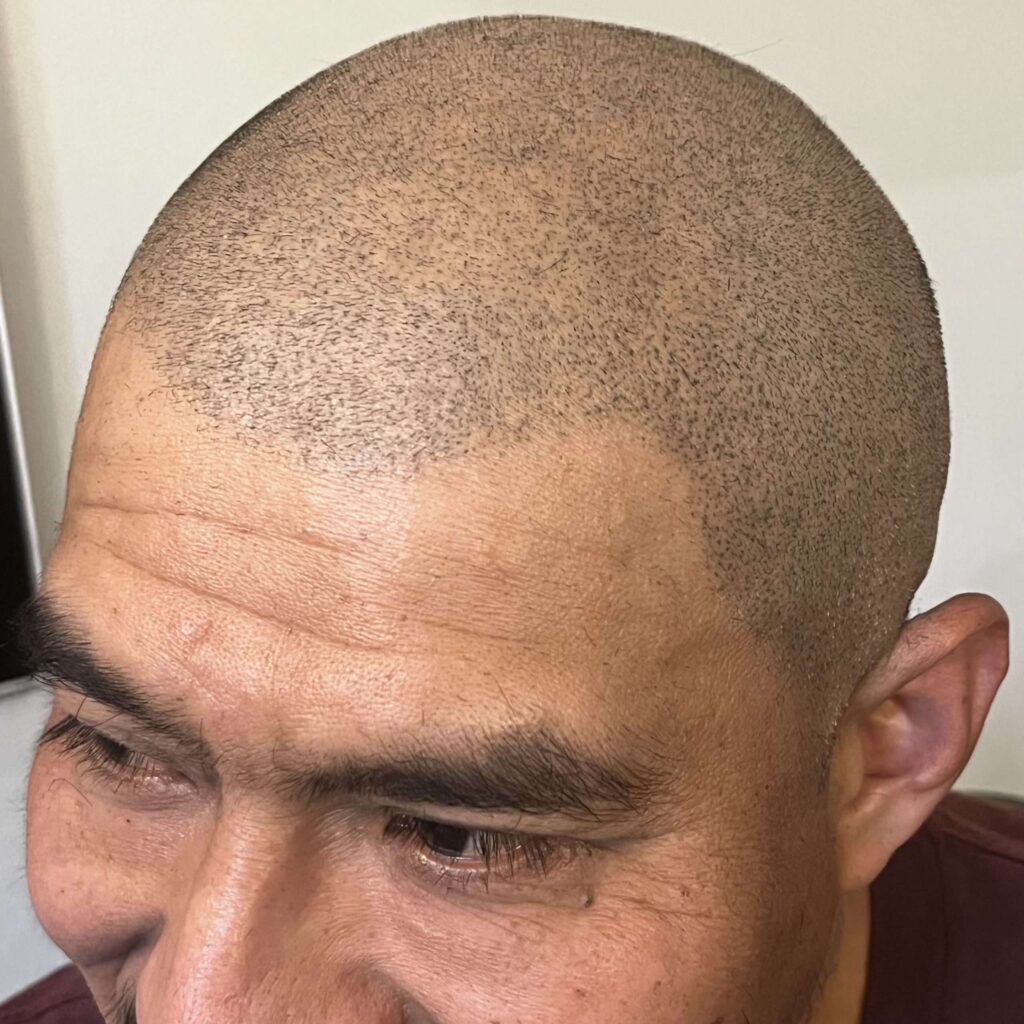
I explain that scalp micropigmentation typically holds definition for four to six years, though some results soften around three years and others remain sharp at seven. I attribute longevity to skin type, sun exposure, and aftercare, with SPF protection and timely touch-ups helping maintain definition.
You’ve invested in scalp micropigmentation and you want to know, honestly, how long it’s going to look good before you need to go back. That’s the right question to ask. This article breaks down the five factors that drive SMP longevity, so you can set realistic expectations and protect your results from day one.
1. SMP typically lasts four to six years before a touch-up is needed
Scalp micropigmentation is a long-term cosmetic procedure, but it isn’t permanent in the way a traditional tattoo is. The pigment is deposited at a shallower depth in the skin, which means it integrates naturally with your scalp’s tone — but also means it will gradually lighten over time.
Most clients find their SMP holds its definition well for four to six years. Some see it begin to soften around the three-year mark; others are still sharp at seven. Where you land in that range depends almost entirely on the five factors below.
2. Your skin type plays a bigger role than most people expect
Oilier skin types tend to break down pigment faster. The natural oils your scalp produces can accelerate fading, particularly in the first year after treatment. If your scalp runs oily, you may find the edges of your hairline soften sooner than someone with a drier scalp.
Skin that exfoliates quickly — common in people who use active skincare products containing AHAs or retinoids — will also push pigment out faster. If you’re using anything like that on or near your scalp, flag it before your treatment.
3. Sun exposure is the single fastest way to fade your results
UV radiation breaks down cosmetic pigment. For a shaved-head look, this is especially relevant because your scalp is fully exposed every single day. Without SPF protection, consistent sun exposure can noticeably dull SMP within eighteen months to two years.
The fix is straightforward: apply a broad-spectrum SPF 30 or higher to your scalp whenever you’re outdoors for more than a few minutes. A hat works too. This one habit alone can add years to your results and is the single most impactful thing you can do for micropigmentation durability after the healing phase is complete.
4. Aftercare in the first ten days sets the foundation for everything
How pigment settles into the skin is largely determined in the first week and a half after each session. Picking at flaking skin, heavy sweating, swimming in chlorinated water, or washing too aggressively during this window can all disrupt how the pigment anchors.
Following your practitioner’s aftercare instructions precisely during this period isn’t just housekeeping. It’s the difference between sharp, well-defined impressions and patchy, uneven results that fade ahead of schedule. The healing process directly determines SMP longevity before lifestyle factors even come into play.
5. A single touch-up session at three to four years keeps results looking sharp indefinitely
SMP doesn’t suddenly disappear. It fades gradually, and that gradual softening is manageable with a straightforward maintenance plan. Most clients book a single touch-up somewhere between the three and five-year mark to refresh the depth and contrast of the hairline.
This session is typically shorter and less intensive than the original treatment, because the underlying pigment is still present and only needs topping up rather than rebuilding. Think of it the way you’d think about maintaining any cosmetic procedure: one periodic session keeps the hair tattoo effect crisp and natural-looking for as long as you want it.
SMP is one of the most durable cosmetic solutions available for a shaved-head look, and the clients who get the most from it are the ones who take sun protection seriously and don’t skip the touch-up when the time comes. Get the basics right and four to six years of sharp results is a very achievable expectation.
Frequently Asked Questions
How long does scalp micropigmentation last on average?
Scalp micropigmentation typically lasts between four and six years before a touch-up is needed. SMP longevity varies based on skin type, sun exposure, and how well aftercare instructions are followed. Some clients refresh their results closer to the three-year mark; others go seven years without noticeable fading.
Does scalp micropigmentation fade completely over time?
SMP doesn’t disappear entirely. It softens and lightens gradually as the cosmetic pigment breaks down in the skin. Most clients notice a reduction in contrast and sharpness rather than full disappearance. A single touch-up session restores the original depth and keeps results looking defined for years more.
What is the most effective way to extend SMP longevity?
Applying a broad-spectrum SPF 30 or higher to your scalp daily is the single most effective way to extend SMP longevity. UV exposure is the leading cause of premature fading. Following precise aftercare in the first ten days post-treatment is equally critical for securing long-term micropigmentation durability.
How often do you need a touch-up after scalp micropigmentation?
Most clients need one touch-up session every three to five years to refresh contrast and maintain a sharp hairline. This session is shorter and less intensive than the original SMP treatment because the existing pigment only needs topping up. Consistent sun protection can push that interval closer to the five-year end.
Does skin type affect how long scalp micropigmentation lasts?
Yes, skin type has a significant effect on SMP longevity. Oily scalps and skin with a faster natural exfoliation cycle tend to break down pigment more quickly. Clients using active skincare products such as AHAs or retinoids near the scalp may also experience faster fading and should discuss this before treatment.
What should I avoid during the initial SMP healing period?
I advise avoiding picking at flaking skin, heavy sweating, swimming in chlorinated water, and washing too aggressively during the first ten days after treatment. Pigment settles into the skin during this period, so following my aftercare instructions precisely helps it anchor properly and supports sharper, more even results over time.
