
I advise keeping the treated scalp completely dry for the first four days, then washing gently from day five with lukewarm water and gentle shampoo. Avoid swimming for 28 days after the final session, protect exposed areas from sunlight, and use SPF 30 to 50 permanently. Full healing takes approximately 30 days.
You have just had your SMP session and the result looks incredible, but what happens over the next four weeks will determine how well that result holds. The aftercare window is where most healing complications and premature fading begin. This guide walks you through exactly what to do, day by day, from the moment you leave the studio through to full recovery.
Why aftercare matters more than most women expect
Scalp micropigmentation deposits medical-grade pigment at the epidermal and upper dermal interface, typically 1.5 to 2 millimetres into the dermis. That is a precise, shallow wound, and your skin needs time to close around the pigment before anything touches it. Disrupt that process too early and you risk pigment loss, uneven fading, or colour inconsistency between sessions.
The epidermal layer naturally turns over approximately every 27 days. During that cycle, any pigment sitting too close to the surface will shed with the skin. Proper aftercare slows that process down and keeps the deeper, dermal pigment intact. This is where your result is either protected or undermined.
Female clients often have longer hair, which creates a specific set of styling challenges during recovery. Those challenges are addressed directly below, as they are rarely covered in generic aftercare sheets.
Days one to four: the strict no-contact phase
For the first four days after your SMP session, keep your scalp completely dry. No water on the treated area, no shampoo, no sweating. That means no exercise, no saunas, and no steam rooms. Even light perspiration can carry bacteria into the micro-wounds and disrupt pigment settling.
You may notice some redness across the treated area. This is normal and typically subsides within two to three days. Do not pick at, scratch, or rub the scalp. If the area feels tight or slightly tender, that is the skin beginning to close, so leave it alone.
For women with longer hair, styling during this phase requires some thought. Avoid anything that involves direct contact with the scalp: tight ponytails, clips pressed against the treated zone, or vigorous brushing near the hairline. If you must style your hair, work from the mid-lengths down and handle the roots as gently as possible. Dry shampoo applied to the lengths, not directly to the scalp, can help with manageability without introducing moisture to the treated area.
Avoid sleeping on a rough pillowcase. Silk or satin is genuinely useful here, as it reduces friction against the scalp overnight and will not pull at healing skin. Sleep on your back where possible, especially if the treated area includes the crown or vertex.
Days five to ten: careful reintroduction
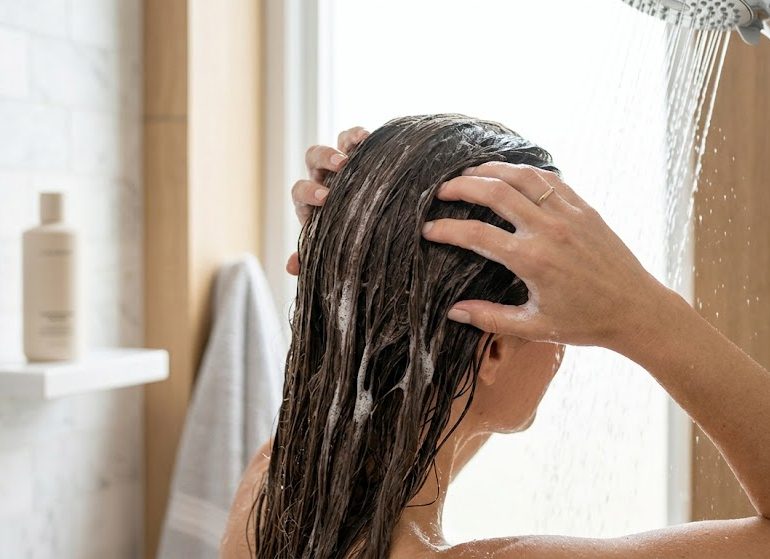
From day five, you can begin washing gently. Use lukewarm water and a fragrance-free, sulphate-free shampoo. Work the product through your lengths and allow the lather to rinse over the scalp without scrubbing or applying direct pressure to the treated zone. Pat dry with a clean towel rather than rubbing.
Sun exposure is a significant concern from this point forward. UV radiation accelerates pigment fading by stimulating immune macrophage activity in the dermis, which gradually breaks down the pigment over time. During days five to ten, keep the treated area out of direct sunlight entirely. A wide-brimmed hat is the most practical option, as it protects the scalp without sitting flush against the skin the way a beanie or cap would.
Continue avoiding swimming pools, hot tubs, and open water. The combination of chlorine, bacteria, and prolonged moisture is too disruptive for a scalp that is still mid-heal. The guidance here is clear: no swimming for 28 days from the date of your final session.
You will likely notice some minor flaking or dryness during this phase. This is the epidermis completing its turnover cycle and is entirely normal. Do not exfoliate, pick, or use any active skincare ingredients, including retinoids, acids, or exfoliating treatments, on or near the treated area.
Day ten through to full healing at thirty days
From day ten onwards, you can return to your normal hair-washing routine, provided you keep products gentle and avoid anything highly fragranced or alcohol-based near the scalp. The result you see at this stage may look slightly lighter than it did immediately after treatment. This is expected, as the epidermis has settled and surface pigment has shed. The dermal pigment will clarify over the following weeks.
Sun protection becomes a permanent habit from this point forward. Apply SPF 30 to 50 sunscreen to any exposed treated areas, particularly along the hairline, before going outdoors. Women with thinning at the crown or a widened parting should pay close attention to those areas, as they receive the most direct UV exposure. This one habit is the single most effective thing you can do to extend the longevity of your SMP results beyond the typical four to six year range before a follow-up is needed.
Full healing takes approximately 30 days. Most clients need two to four sessions, spaced several weeks apart. After your final session, the 28-day swimming restriction restarts. Plan your sessions around any holidays or events that involve significant sun or water exposure.
If you notice anything beyond normal redness or dryness, such as persistent swelling, unusual discharge, or a rash, contact your practitioner promptly. These are uncommon but worth addressing early rather than waiting until your next scheduled appointment.
Frequently Asked Questions
Can I wash my hair normally in the first week after SMP?
No. For the first four days after an SMP session, the scalp must stay completely dry, with no shampoo, water contact, or sweating. From day five, you can wash gently using lukewarm water and a fragrance-free, sulphate-free shampoo, patting the scalp dry rather than rubbing. Normal washing resumes from around day ten.
How do women with long hair style around a healing SMP treatment?
During the first four days, avoid anything that presses against the treated scalp, including tight ponytails, clips, and vigorous brushing near the treated zone. Apply dry shampoo to the lengths only, not directly to the scalp. From day five, handle roots gently and avoid any style that creates sustained friction or tension against the healing area.
When can I go swimming after scalp micropigmentation?
Swimming pools, hot tubs, and open water should be avoided for 28 days from the date of your final SMP session. Chlorine, bacteria, and prolonged moisture can disrupt healing and cause pigment to fade unevenly. If you have multiple sessions planned, the 28-day restriction restarts after the last session is complete.
How long does SMP aftercare last and when is healing complete?
The strict aftercare phase covers the first four days, with a careful reintroduction period from days five to ten. Full healing takes approximately 30 days after each session. Most women require two to four sessions spaced several weeks apart, so the aftercare protocol applies to each one individually. Sun protection with SPF 30 to 50 continues permanently after that.
What products should I avoid on my scalp after an SMP session?
Avoid all fragranced shampoos, alcohol-based products, retinoids, acids, and exfoliating treatments on or near the treated area during the healing period. Do not apply dry shampoo directly to the treated zone during the first four days. From day ten, reintroduce products gradually and prioritise gentle, unfragranced formulations near the scalp.
When can I exercise after scalp micropigmentation?
I advise avoiding exercise during the first four days after your session because sweating can carry bacteria into the micro-wounds and disrupt pigment settling. During this period, also avoid saunas and steam rooms. I do not specify an exact day to resume exercise, so follow the broader guidance to keep the scalp dry while it heals.
