
To blend scalp micropigmentation with gray hair, I match the pigment to your current follicle color, not simply to the darkest hair present. For salt-and-pepper hair, I use a soft, graduated pattern that reduces scalp contrast without creating a solid dark layer. The plan depends on your hair, skin tone, density and hairline.
Why does gray hair need a different SMP plan?
Gray hair changes the contrast between your scalp, follicles and remaining strands. If I place one dark pigment throughout a gray or salt-and-pepper area, the dots can look too strong against the lighter hair. The result may appear like a dark layer rather than natural follicle shadow.
My aim is not to make the scalp look painted. SMP creates the visual impression of thicker hair by placing tiny pigment dots in the scalp. It does not grow hair, alter natural growth or damage existing follicles. Some scalp showing through is still normal, particularly when the hair is thinning.
For gray hair, I assess the overall pattern rather than focusing only on the darkest strands. I consider your current follicle color, the amount of gray, your skin tone, existing density and how the hair is normally worn. The pigment is selected to harmonise with the hair you have now, because matching only a former hair color can make the treatment look conspicuous.
How do I blend pigment with salt-and-pepper hair?
I usually plan a softer, graduated result rather than an opaque fill. The impressions should vary naturally in placement and density, with a gradual transition between thinner and fuller areas. Around the front, temples or parting, this helps reduce contrast without creating a hard edge.
A salt-and-pepper pattern may contain several visual tones. It is therefore important to discuss whether you want the result to reflect your present hair or a particular shaved-head appearance. I will explain what is realistic before treatment, including how the pigment may look beside white, silver, dark or mixed hair.
Color is only one part of the blend. Dot size, spacing, depth and the way density is built also affect the healed appearance. Pigment placed too heavily or too deeply can lose definition and look blurred. A controlled approach allows the scalp to be assessed as the work settles, rather than trying to create all the density at once.
What happens during an SMP consultation?
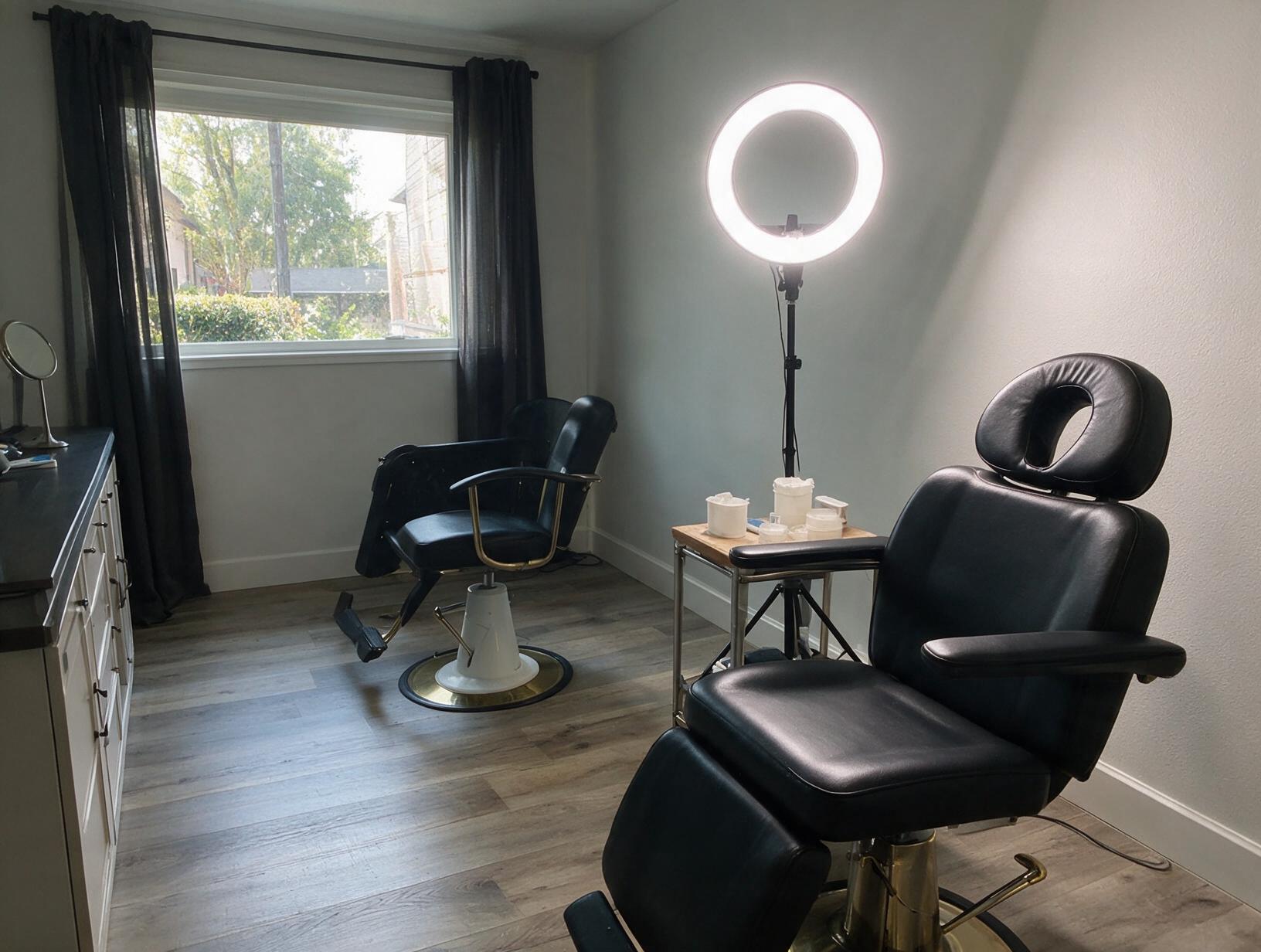
During consultation, I look at your hair loss pattern, existing hair, scalp condition, skin type, lifestyle and expectations. We discuss whether you want density between existing hair, coverage for a shaved style, or help with a receding hairline. I also ask about allergies, medical history and any medication or hair-loss treatment that may affect your plan.
Before beginning, I mark the treatment areas and agree the hairline with you. For a fully bald client, the hairline should suit facial structure and age rather than look like a rigid line drawn across the forehead. Hairline work is especially important when you are choosing an SMP provider, so ask to see relevant examples, including healed work where available.
I use numbing medicine during the procedure. SMP is a cosmetic tattoo treatment, not a diagnosis or treatment for an underlying cause of hair loss. If you have new or unexplained thinning, discuss that with an appropriate medical professional. For suspected female pattern hair loss, medical assessment and blood tests may be appropriate to exclude other causes with similar symptoms.
You can read my scalp micropigmentation treatment overview before your appointment. It explains the process and the type of result this treatment is designed to create.
How should I prepare and care for gray-hair SMP?
Before a session, wash your hair and scalp so the area is clean and free from styling products. Tell me about every known allergy, and ask whether a small patch test is appropriate for you. A reputable provider should also work in a properly licensed and sanitary setting, with relevant body-art and bloodborne-pathogen requirements in place.
After treatment, follow the specific instructions provided at your consultation. General aftercare information includes:
- Keep the scalp dry during the initial healing period. Use a shower cap rather than letting water run over the treated area.
- Avoid washing the hair, heavy exercise, steam rooms and hot showers that cause sweating while the scalp heals.
- Keep the scalp out of direct sun for several days, then use broad-spectrum sunscreen long term to help protect the pigment.
- Use a thin layer of a petrolatum-based moisturizer, such as Aquaphor or Vaseline, twice daily if advised, and do not pick at flaking or scabbing.
Initial color can look stronger before it softens. If you notice unusual discomfort, excessive swelling or redness, warmth, or another concern beyond what we discussed, contact your practitioner promptly. This information is general editorial guidance, not medical advice.
How long does SMP for gray hair last?
SMP is intended to be a long-lasting cosmetic tattoo, but it gradually softens as the skin naturally renews. How long a result lasts varies from person to person and is discussed at consultation. Sun exposure, skin characteristics, lifestyle and changes in your hair can influence how the result ages.
Gray hair can continue to change after treatment, so color and density should be reviewed over time rather than treated as fixed forever. If your hair becomes lighter, darker or more sparse, a future adjustment may help maintain a balanced contrast. Laser removal is possible, but correcting a poorly planned application can be more involved, which is why careful color selection and conservative placement matter from the beginning.
I provide scalp micropigmentation for male density, female density and shaved styles at Micropigment Studio in San Jose, California. My background includes permanent cosmetics, esthetics and ongoing SMP training, including certification with Scalp MicroNation and further SMP training at ScalpCo Academy. You can find contact and location information for Micropigment Studio when you are ready to discuss your circumstances.
Book a consultation if you would like to explore whether SMP can blend naturally with your gray hair.
Frequently asked questions
Can SMP match completely white hair?
It can often reduce the contrast between a pale scalp and white or silver hair, but it will not turn into white hair or create real follicles. The pigment choice and density need to remain subtle. During consultation, I assess your scalp, hair pattern and desired style before advising whether the likely visual improvement is worthwhile.
Will gray hair make SMP look blue or black?
A poorly chosen color or excessive depth can create an unnatural result, which is why I do not select the darkest available pigment automatically. I consider your current follicle color, skin tone and existing pigment. Conservative placement and gradual density help the healed dots read as shadow rather than a solid dark shade.
Can I have SMP without shaving my gray hair?
It depends. SMP can be placed between existing hairs to reduce visible scalp and create the impression of greater density. The approach depends on hair length, thinning pattern, scalp visibility and access to the treatment areas. We discuss how you wear your hair and whether the proposed result will remain believable as it grows.
What if my hair becomes greyer after treatment?
Hair color can change while the pigment remains in the scalp, so the balance may need reviewing over time. A future touch-up may adjust softness or density, but it is not sensible to plan around an assumed future color. I recommend discussing your family pattern, current rate of change and long-term preferences at consultation.
Can SMP cover a gray-haired receding hairline?
It may help reduce the contrast around a receding hairline, provided the design suits your facial structure and current hair. I avoid treating the hairline as a solid, perfectly straight border. The transition should be gradual and appropriately conservative, especially when lighter or gray hairs make strong pigment more noticeable.
Is SMP suitable if I have an itchy or inflamed scalp?
Active irritation, infection or an undiagnosed scalp condition should be assessed before cosmetic tattooing. SMP does not diagnose or treat the cause of scalp symptoms. Tell me about itching, scaling, redness, previous procedures and any treatment you use. We can then decide whether consultation should be postponed or medical advice sought first.
