
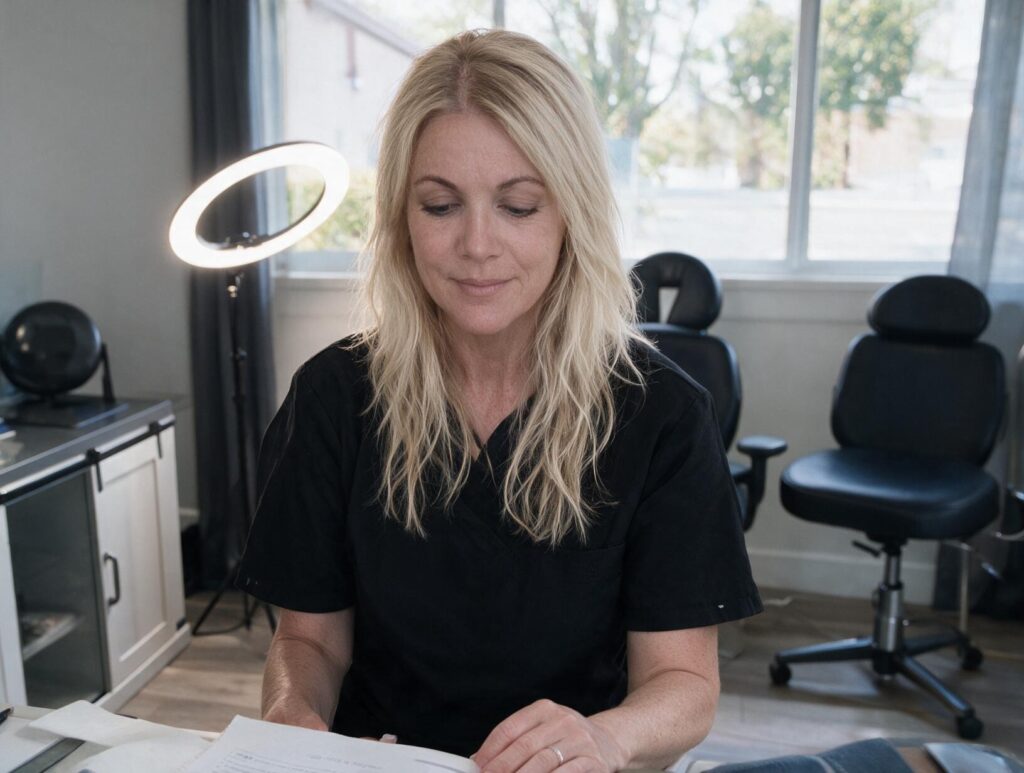
Yes. Scalp micropigmentation, or SMP, can help conceal the appearance of diffuse thinning associated with PCOS by placing carefully matched pigment between existing hairs. It does not treat PCOS, restore growth or change follicles. I recommend medical assessment first, followed by a detailed consultation to decide whether density treatment suits your pattern of loss.
How can PCOS affect the appearance of hair?
PCOS can involve hormonal changes that contribute to androgenetic, or female pattern, hair loss. The visible result may be gradual thinning across the top of the scalp, a widening part or more noticeable scalp show-through. Hair loss is not always caused by PCOS, however, so the pattern and history matter.
If your thinning is new, rapidly changing or unexplained, I recommend speaking with a qualified medical professional before choosing a cosmetic procedure. Blood tests may be appropriate to exclude other diseases, metabolic conditions and hormone imbalances that can produce a similar pattern.
This distinction is important because SMP is not a medical treatment for PCOS or hair loss. It does not alter hormones, stimulate follicles or stop shedding. It is a cosmetic way to reduce the contrast between your scalp and existing hair, so the hair can look visually fuller.
How does female density SMP work?
For women with diffuse thinning, I generally plan the treatment between existing hairs rather than creating a shaved-head appearance. Tiny dots of cosmetic-grade permanent pigment are placed in the epidermal and upper dermal layers of the scalp. When the color, spacing and depth are appropriate, the dots can suggest greater density without looking like a solid painted area.
I choose the pigment to harmonise with your current hair follicle color. Your natural hair color, skin tone, hair texture, hairstyle and the areas where scalp is most visible all affect the plan. A part, crown, temples or broader areas of thinning may each need a different approach.
The normal goal is not to eliminate every glimpse of scalp. Some scalp showing through the hair is realistic and often helps the result look natural. I explain that expectation at consultation so we can aim for a soft visual improvement rather than an overfilled appearance.
You can read my scalp micropigmentation treatment overview for more information about the procedure and the types of hair loss it may help camouflage.
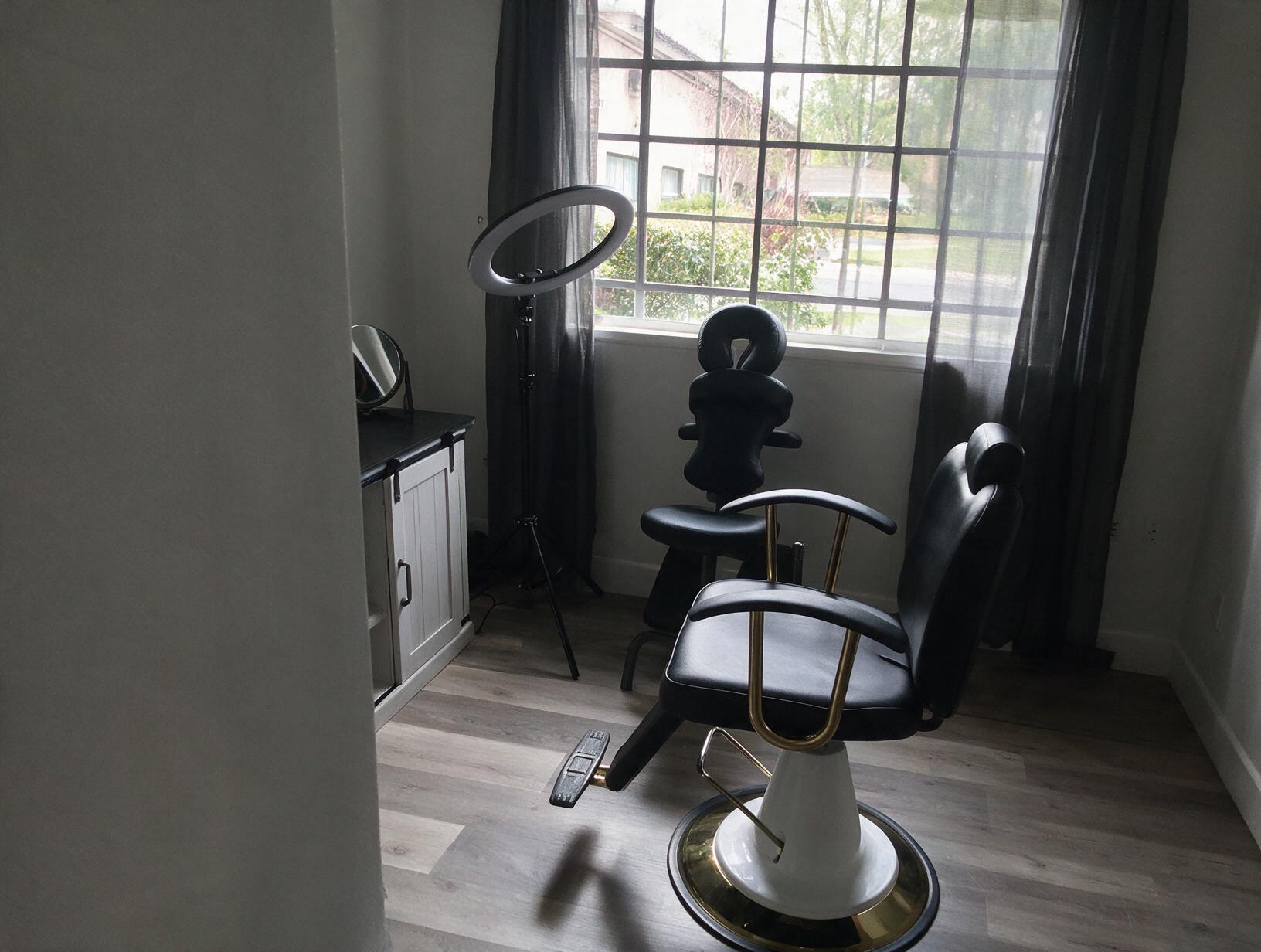
Is SMP a suitable option for female hair loss with PCOS?
SMP may be worth considering when PCOS-related thinning is stable enough to plan and the main concern is visible scalp. It can also be considered alongside hair loss care recommended by your medical professional. Using SMP does not mean you must stop prescribed or recommended treatments.
During consultation, I assess the areas of show-through, the density of your remaining hair, your preferred hairstyle and how much coverage you want. I also ask about your medical history, allergies, medications, scalp conditions and expectations. This helps me decide whether SMP is appropriate or whether it would be better to wait.
SMP does not damage existing follicles, but it is still a cosmetic tattoo procedure. I use anaesthetic to help manage discomfort. A small patch test on an inconspicuous area can also be discussed to check for a pigment reaction before proceeding.
Anyone prone to forming keloids should avoid SMP. You should disclose all allergies and relevant health information. Choosing an experienced, properly licensed cosmetic or body artist, reviewing healed work and asking about sanitary practice can reduce the risks of allergy, infection, an unnatural result or problems if removal is later needed.
What happens before and during the appointment?
Before your appointment, wash your hair and scalp. Please arrive ready to discuss your usual parting, styling routine and the areas that concern you. I mark the treatment zones and review the proposed density with you before any pigment is placed.
For a fully bald area, the hairline needs to reflect facial structure and age. With female density work, the focus is more often on blending pigment into the existing hair and reducing visible contrast. I take care not to create a rigid edge or uniform pattern.
The number and spacing of appointments varies and is confirmed at consultation. with session length and number of appointments varying and assessed at consultation. The exact plan varies with the area, density and how your scalp responds. Results may look darker or more intense at first, then soften as the scalp heals.
When assessing an SMP practitioner, I suggest paying particular attention to hairline work, even if you are seeking density treatment. Look at healed examples, not only fresh photographs. Ask which pigments and technique are used, and have a thorough consultation before you commit.
How should I care for my scalp afterwards?
After treatment, follow the aftercare instructions given for your scalp. As general editorial guidance, keep the area dry during the early healing period, use a shower cap when bathing, and avoid washing the hair, heavy exercise, steam rooms and hot showers that cause sweating. Avoid direct sun exposure on the treated scalp for several days.
A petrolatum-based moisturizer such as Aquaphor or Vaseline may be recommended twice daily to help prevent scab formation. Do not pick or scratch flaking skin. Once healed, broad-spectrum sunscreen on the scalp can help protect the pigment from sun-related fading.
SMP is intended to be permanent, although it gradually fades and may need a touch-up over time. Longevity varies with sun exposure, skin type, cellular turnover, medications and other hair loss treatments. It does not wash out with shampoo. Laser removal is possible later, but removal and correction are more difficult when the original application has been poorly planned or implanted too deeply.
Contact your practitioner if you notice signs of infection, such as increasing redness, warmth or swelling, unusual discomfort, or a healing concern beyond what was explained at consultation.
How do I decide whether to proceed?
I encourage you to separate two questions: what is causing the hair loss, and what cosmetic result would make you feel more comfortable? A medical professional can help with the first. I can assess whether SMP can soften the appearance of the second.
At Micropigment Studio in San Jose, I offer female SMP for clients who want density camouflage between existing hairs. I am certified in SMP and permanent cosmetics, and I continue my training each year. I will discuss your goals honestly, including what SMP cannot do, before recommending a plan.
If you would like to learn more about visiting the studio, you can find contact and location information for Micropigment Studio.
If you feel ready, you are welcome to book a consultation to talk through your scalp and options.
Frequently asked questions
Can SMP hide a widening part caused by PCOS?
It may. Female density SMP can place carefully spaced pigment along and between existing hairs around a widening part, reducing the contrast that makes the scalp noticeable. The result depends on your remaining density, hair color, skin tone and the stability of the thinning. A consultation is needed to assess the pattern.
Will SMP make PCOS-related hair grow back?
No. SMP creates the appearance of fullness but does not stimulate follicles, change hormone levels or stop hair shedding. If you are concerned about PCOS or ongoing loss, discuss diagnosis and treatment with a qualified medical professional. Cosmetic camouflage can be considered separately when the pattern is understood and expectations are realistic.
Can I keep my hair long after female density SMP?
Usually, female density work is planned for clients who want to keep their existing hairstyle. Pigment can be placed between hairs rather than requiring a shaved scalp. Your preferred part, hair length, texture and styling habits should be discussed during consultation so the placement supports the way you normally wear your hair.
Does SMP hurt on a woman’s scalp?
SMP involves needles, so you may feel some discomfort, but it is generally described as less painful than or comparable to a regular tattoo. Anaesthetic is used to help manage discomfort. Sensitivity varies, and your practitioner should explain what to expect and discuss relevant allergies or medical concerns beforehand.
Can I have SMP while taking hair loss medication?
Possibly, but you should disclose every medication and hair loss treatment during consultation. Some treatments and individual factors may affect how pigment fades or how the scalp responds. Do not stop prescribed medication to prepare for SMP. Discuss changes to medical treatment with the professional who prescribed it.
How can I tell whether a practitioner is experienced with women’s SMP?
Ask to see healed examples of female density work, not only freshly completed procedures. Review how the practitioner handles parts, diffuse thinning and hairlines. Ask about training, licensing, pigments, patch testing, sanitation, aftercare and correction options. A thorough consultation should cover your medical history, lifestyle, skin and expectations.
Can SMP be removed if my PCOS hair loss pattern changes?
Laser treatment can remove SMP, but removal may require care and is not as simple as washing out pigment. Changing hair loss can also alter how the result looks as time passes. Discuss the possibility of future changes before treatment, and choose conservative, accurately placed pigment to support later options.
