

Female scalp micropigmentation before and after results usually show less visible scalp, a softer-looking part or hairline, and the appearance of greater density through existing hair. It does not regrow hair. The best result is subtle, blended pigment that reduces contrast without making the scalp look painted or overly dark.
What changes should you expect in a woman’s before and after?
When I compare a client’s starting point with her healed result, I am looking for a reduction in scalp show-through, not a completely different head of hair. Female density SMP is usually placed between existing hairs, around a widening part, through the crown, or along areas of a less full hairline.
Before treatment, the scalp may appear more noticeable under bright light, when hair is parted, or when the hair moves in the wind. After treatment, carefully matched pigment creates a soft root-shadow effect. This can make the hair appear visually fuller and the part look less stark.
The result should still allow some scalp to show. A completely opaque scalp would not look like natural density. I explain this during consultation because realistic expectations are an important part of choosing treatment.
The color is selected to harmonize with your current hair follicle color. Women with black, brown, blonde, white, or gray hair may be considered, but the shade, placement, and density plan must be adapted to the individual.
How is female density SMP different from a shaved-head result?
Many people first see SMP presented as a close-shaved look. That is not usually the goal for a woman seeking help with diffuse thinning. Female pattern hair loss often affects the overall density while the frontal hairline remains relatively present, so I work with the hair you have rather than automatically asking you to shave it.
For a woman, before and after photographs should show how the pigment blends through hair, not only how a freshly shaved scalp looks. I pay close attention to transitions at the front, temples, part, and crown. A hairline that is too straight, too low, too dark, or too dense can make the result appear artificial.
This is why I encourage you to review healed examples of a practitioner’s hairline and density work. Fresh photographs can look stronger than the final healed appearance. Look for natural variation, soft edges, and a finish that does not resemble a solid cap or helmet.
You can read my scalp micropigmentation treatment overview for a broader explanation of how the procedure works and what it can and cannot do.
What does the treatment process look like before the final result?
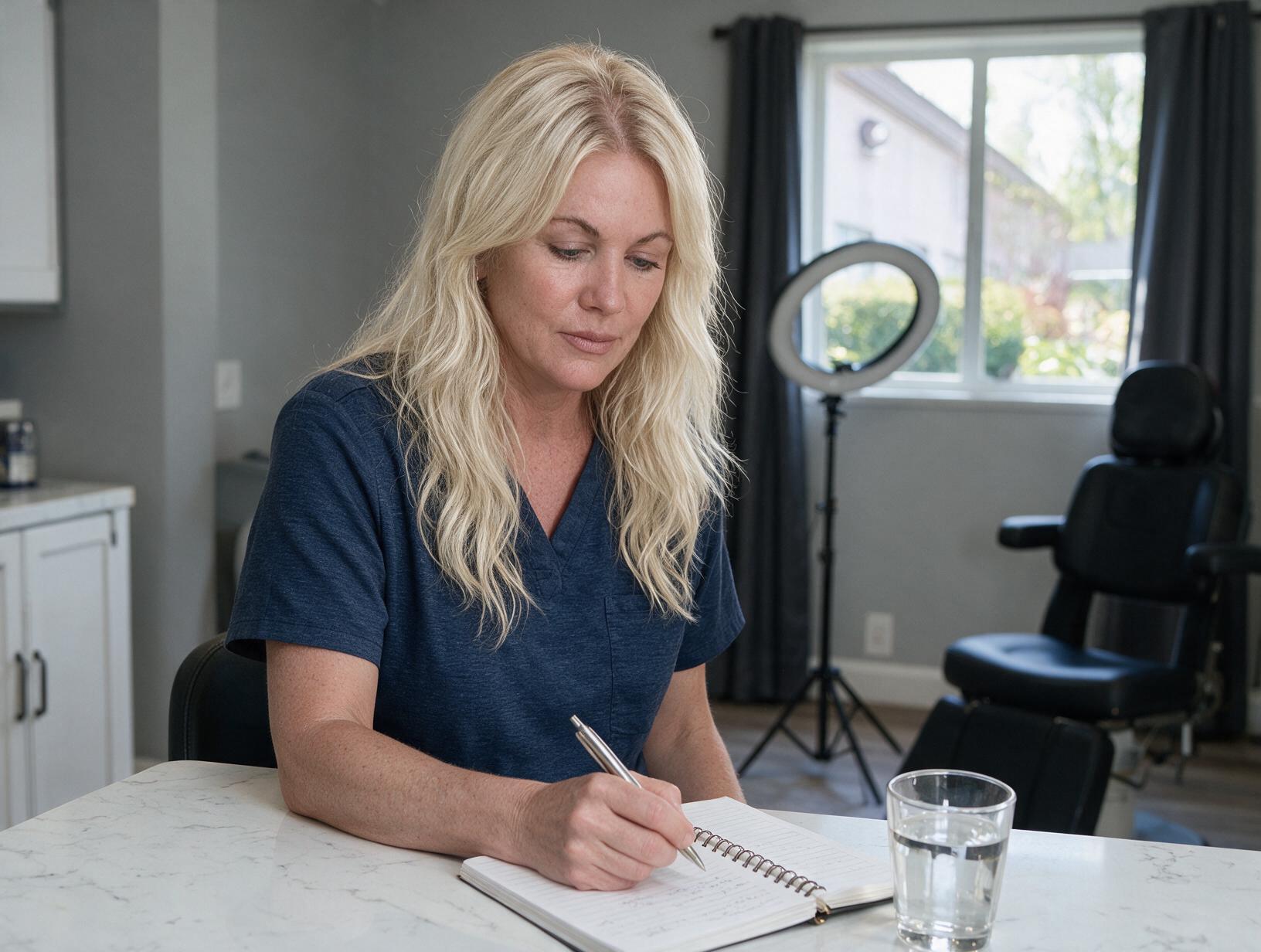
At the consultation, I assess your scalp, hair color, skin characteristics, pattern of thinning, lifestyle, and expectations. We discuss where you want less visible scalp and whether the requested change is realistic. If female pattern hair loss is suspected, it is sensible to arrange medical assessment and blood tests to rule out other conditions, metabolic issues, or hormone imbalances that may cause similar loss.
Before a session, wash your hair and scalp. I mark the treatment areas with you, agree on the shape and transition of the hairline where relevant, select a pigment that works with your hair, and use numbing medicine. A small patch test on an inconspicuous area may also be discussed to help identify an ink allergy. Tell me about every allergy, medication, skin condition, or relevant health concern before treatment.
SMP uses fine needles to place tiny deposits of cosmetic-grade permanent pigment in the epidermal and upper dermal layers. It does not grow hair, change natural growth, or damage existing follicles. The discomfort is generally minimal and short-lived, although sensitivity varies.
The first appointment is not necessarily the final appearance. Pigment can look darker or more intense immediately afterward, then soften as the scalp heals. A full treatment course commonly involves several appointments spaced weeks apart, with the exact plan depending on the area, skin, hair, and response to pigment.
What should you look for in female scalp micropigmentation before and after photos?
Photographs are useful, but only when you know how to assess them. Ask whether the image shows a fresh result or healed work, whether the lighting and camera angle are comparable, and whether the hair is styled to hide or reveal the treated area.
I suggest looking for these details:
- Natural variation in pigment placement rather than identical dots in a rigid pattern.
- A hairline that suits the person’s age and facial structure.
- Blending between treated and untreated areas.
- No obvious bleeding, spreading, heavy blocks of color, or blue-gray cast.
- Examples involving women with a similar level and pattern of thinning.
Experience matters particularly when treating scarred skin, alopecia, oily skin, or diffuse thinning. Ask about licensing, bloodborne pathogens training, the pigments and technique used, and the practitioner’s healed work. Good consultation should also cover how results may fade, what future touch-ups could involve, and what happens if removal is ever needed.
How do you care for the scalp after treatment?
After a session, keep the scalp dry during the initial healing period. Use a shower cap when bathing, avoid washing the treated area, heavy exercise, steam rooms, saunas, and hot showers that cause sweating. Avoid direct sun on the scalp for several days. Follow the specific aftercare instructions provided at consultation.
Informational aftercare guidance commonly includes a petrolatum-based moisturizer, such as Aquaphor or Vaseline, to help prevent scab formation; follow the specific instructions you are given. Do not pick or scratch any flaking or light scabbing. Once healed, use broad-spectrum sunscreen on the scalp to help protect the pigment over time.
Results are intended to be permanent cosmetic work, but they gradually soften and fade. How long they remain visible varies with skin, sun exposure, lifestyle, medications, and natural exfoliation. SMP can be removed with laser treatment, although removal is more difficult when the original pigment was placed poorly.
If you notice unusual warmth, increasing redness, swelling, discomfort, or another concern beyond what we discussed, contact your artist and seek appropriate medical advice. To discuss your goals with Micropigment Studio, you can use the contact and location page.
If you are also considering a changing front hairline, my guide to how a woman’s front hairline can look fuller with SMP may help you decide what to ask at consultation.
You are welcome to book a consultation whenever you feel ready to talk through your options.
Frequently asked questions
Will women’s scalp micropigmentation show when the hair is wet?
It may be more noticeable when wet because wet hair separates and reveals more of the scalp. A well-planned result should still look like a soft reduction in contrast rather than a painted surface. Your hair density, pigment shade, lighting, and the amount of thinning all affect how visible the treatment appears.
Can female SMP cover a widening part without shaving the hair?
Often, SMP can be placed between existing hairs, including along a widening part, so shaving is not automatically required. The approach depends on your hair length, density, scalp condition, and the amount of show-through. I assess the area in person before recommending placement or explaining its limitations.
Does female SMP work for blonde or white hair?
It may be considered for blonde or white hair, but the pigment plan needs particular care. The goal is to reduce the contrast between scalp and hair without creating a dark, obvious mark. Your current follicle color, skin tone, texture, and lighting conditions are considered during consultation.
Can SMP hide a scalp scar in a woman?
SMP may camouflage some scalp scars by reducing the contrast between the scar and surrounding skin or hair. Scar tissue can accept pigment differently from normal scalp, so results vary and may require cautious planning. I would assess the scar’s maturity, texture, color, and hair coverage before discussing suitability.
How soon can I judge the final appearance?
Do not judge the result while the scalp is still freshly treated. The pigment can initially look stronger, and the skin needs time to settle. Healing varies, so I explain what changes to expect at consultation and when it is appropriate to assess whether any refinement is needed.
Can I continue using hair loss treatments after SMP?
That depends on the treatment and your medical circumstances. SMP does not treat the cause of hair loss, so some clients continue separately managed hair-loss care. Tell me about all products and medications during consultation. If your hair-loss pattern is new or changing, medical assessment should come first.
Is female SMP suitable for everyone with thinning hair?
No. SMP may not be suitable for people prone to keloid scarring, those with certain scalp conditions, or anyone expecting hair growth rather than visual camouflage. A thorough consultation should cover medical history, allergies, scalp health, expectations, and whether the thinning pattern has been appropriately assessed.
