
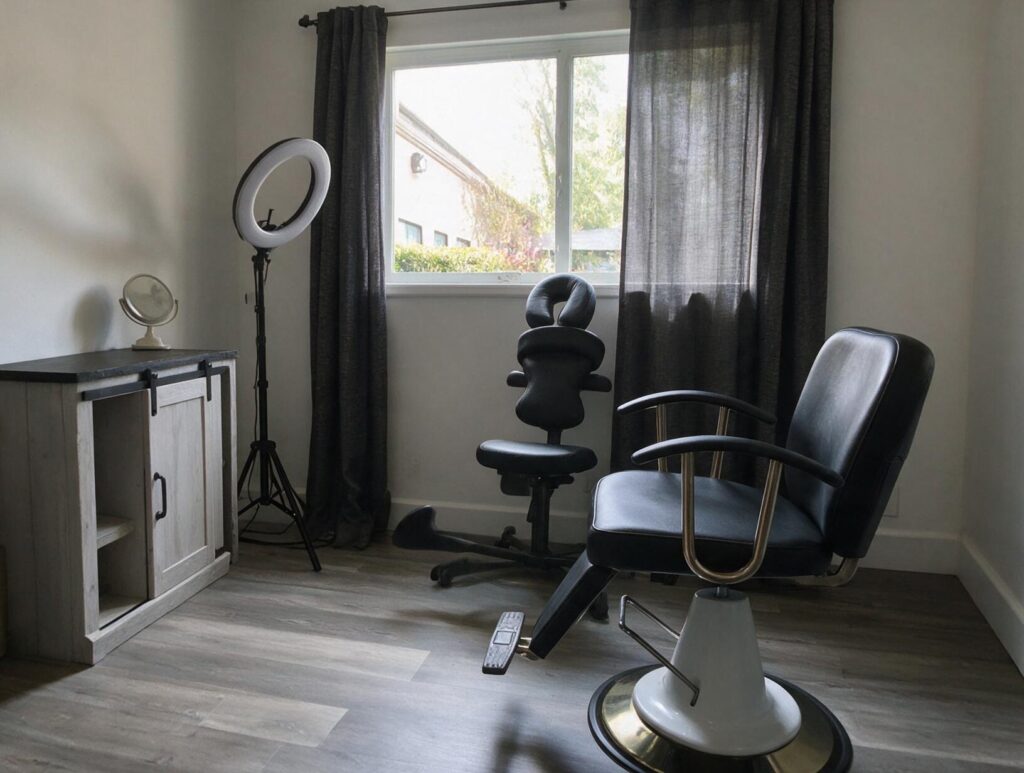
Yes, you may be able to wear a wig or hair topper after scalp micropigmentation, but not immediately. Your scalp needs time to heal, and friction, pressure, heat and sweating can affect the treated skin. I plan the timing around your covering, attachment method, hair loss pattern and aftercare needs.
When can I wear a wig or topper after SMP?
The safest answer depends on how your scalp is healing, so I do not give every client the same schedule. Immediately after scalp micropigmentation, the skin is sensitive and the pigment is settling. A wig, topper, clips, adhesive, band or tight-fitting cap can rub the area, trap heat or cause sweating.
During the early healing period, keep the treated scalp dry and avoid anything that creates unnecessary friction or pressure. This usually means planning a temporary break from your usual wig or topper routine. You may need to use a shower cap when bathing, avoid washing the scalp until I say it is appropriate, and pause heavy exercise, steam rooms and hot showers that make you sweat.
Healing is not complete just because the scalp looks calmer on the surface. Treated areas can appear darker or more intense at first, then soften as the skin heals. Light flaking or scabbing can be a normal part of healing, and it should not be picked or scratched. I will explain what I see at your appointment and tell you when your particular covering can be reintroduced.
If you must cover your head for work, privacy or comfort, tell me before treatment. That information affects how we plan the appointment and your aftercare. It is much better to discuss your normal wig or topper routine in advance than to discover afterwards that the attachment method is difficult to pause.
Can wigs or toppers affect the SMP result?
A wig or hair topper does not automatically damage scalp micropigmentation once the skin has healed. The concern is mainly what happens while the skin is vulnerable. Repeated rubbing, scratching, pressure and sweating may irritate the treated area and interfere with comfortable healing.
The construction of the covering matters. A lightweight piece that sits gently may be easier to manage than one with tight bands, clips or adhesive directly over treated skin. Some toppers attach to existing hair, while others use clips, tape or bonding products. Each option places pressure in a different way, so I need to know exactly how you wear yours.
I also ask about how often you remove and replace it, whether you sleep in it, and whether you use heat or styling products around the scalp. These details help me identify possible sources of friction. The goal is not to make you give up a style you rely on. It is to make a realistic plan that protects the skin while allowing you to return to your routine.
SMP can be placed between existing hairs, not only on a shaved scalp. For women with diffuse thinning, the purpose is often to reduce the contrast between the hair and scalp and create the visual impression of greater density. A topper may still be part of your preferred look. We can discuss how the design and your covering should work together rather than treating them as competing choices.
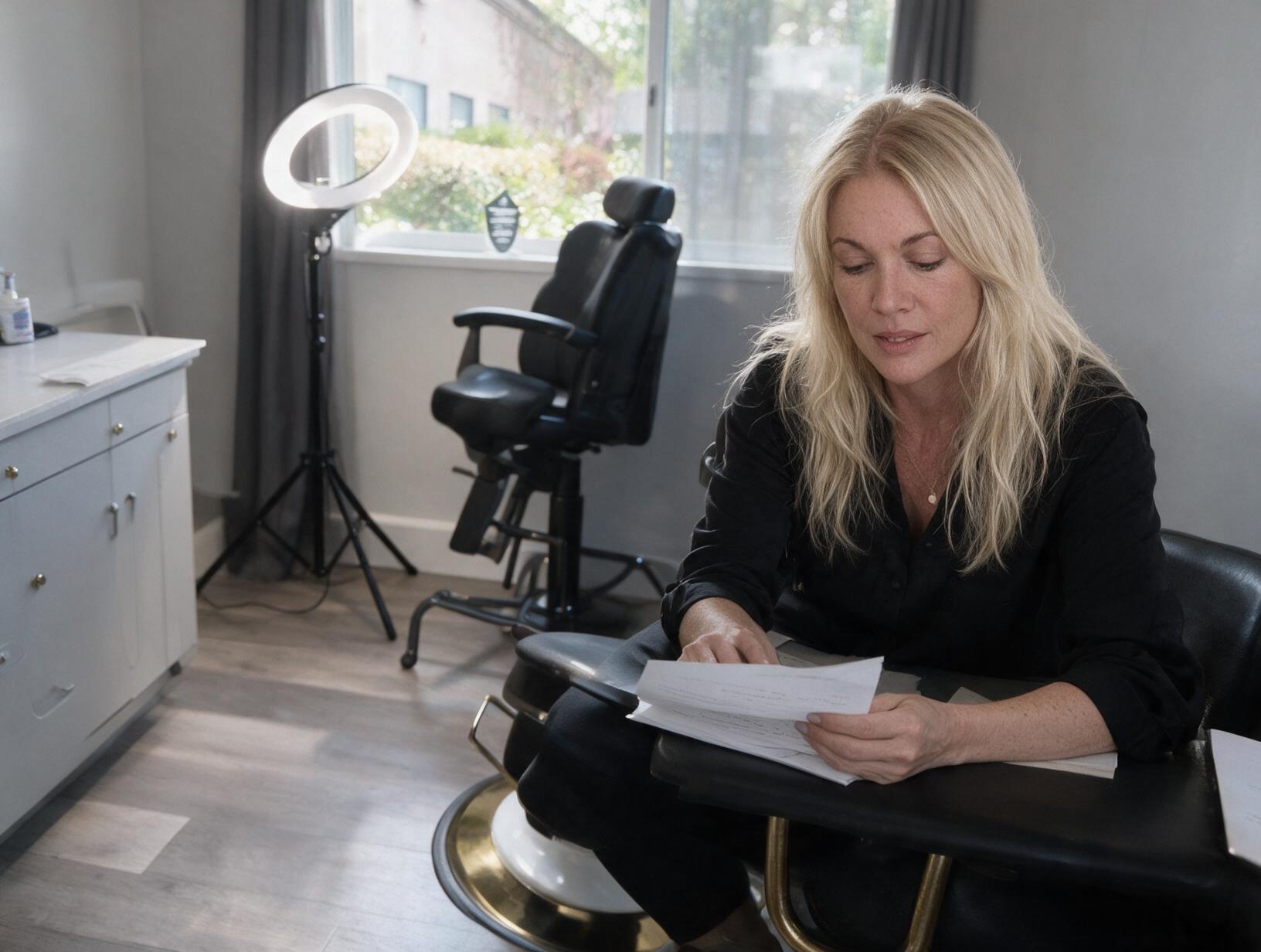
What should women discuss before female scalp micropigmentation?
Women often have a different pattern of hair loss from men, which is why female scalp micropigmentation is planned differently. Female pattern hair loss commonly involves diffuse thinning while the frontal hairline is maintained. Other causes can include alopecia, hormonal changes, chemotherapy-related loss and scarring. Because SMP changes appearance rather than hair growth, I want to understand the reason for the thinning before we agree on a design.
If female pattern hair loss is suspected, it is sensible to arrange appropriate medical assessment and blood tests to exclude other diseases, metabolic conditions or hormone imbalances that can produce similar-looking loss. SMP does not diagnose, prevent or treat an underlying condition. Ongoing hair loss should be assessed separately by a suitable medical professional.
At consultation, I ask about your current hair, how you part it, whether you use a wig or topper, and whether your coverage needs change from day to day. We discuss the area to treat, the level of visible scalp you are comfortable with, and whether your hair loss may continue. Realistic expectations matter: the normal outcome is reduced scalp contrast, not a painted-on appearance of completely solid density.
You can read my scalp micropigmentation treatment overview for a broader explanation of the procedure and what it is intended to do. I use pigment selected to match your current hair follicle color, as discussed at consultation. SMP does not grow hair, change natural growth or damage existing follicles when performed appropriately.
How should I prepare if I wear a hairpiece?
Before treatment, wash your hair and scalp as advised so the area is clean. Bring clear information about your covering and attachment products. If possible, bring the piece you wear most often, or photographs showing how it sits. I need to see where clips, bands, tape or adhesive make contact.
We mark the treatment area, agree the design and discuss the hairline where relevant. For a fully bald area, the hairline should suit facial structure and age. For diffuse female thinning, the design usually needs to blend with existing hair rather than create an artificial border. I take time to discuss the result you can realistically expect before we proceed.
I use numbing medicine to help with comfort. I also ask you to disclose allergies, medical conditions and relevant medication. A licensed, experienced practitioner should review these factors, use hygienic procedures and show examples of their work, including hairline work where applicable. A poorly planned hairline can make an otherwise careful result look unnatural.
My studio is in Willow Glen, San Jose. You can find contact and location information for Micropigment Studio if you would like to discuss your routine before booking.
How do I return to wearing a wig or topper safely?
Wait until the treated skin has healed according to the aftercare instructions I give you. When you restart, make sure the inside of the piece is clean and avoid placing a tight edge, clip or adhesive over any area that remains tender, flaky or irritated. Put it on gently rather than dragging it across the scalp.
Start by wearing it for a shorter period and pay attention to heat, sweating, pressure or itching. Do not scratch beneath the covering. If a product causes irritation, remove it and contact me for guidance. Long-term, sun protection is important to help protect the pigment. A broad-spectrum sunscreen may be appropriate once the skin is healed and able to tolerate it.
Contact me or seek suitable medical advice if you notice increasing redness, warmth, swelling, unusual discomfort, drainage or another healing concern beyond what we discussed. Those signs should not be dismissed as normal wig irritation.
I am certified in SMP for men and women and continue my advanced training each year. My role is to help you plan a result that fits your real life, including the way you manage thinning hair. Book a consultation when you are ready to discuss your wig or topper routine.
Frequently asked questions
Can I wear a wig to my SMP consultation?
Yes, you can wear your usual wig or topper to consultation. I may ask you to remove it so I can assess the scalp, hair loss pattern and attachment points. Bring the covering and any clips, bands or adhesive you normally use, because those details help me plan treatment and aftercare around your routine.
Can I sleep in a wig after scalp micropigmentation?
I generally recommend discussing this before treatment, because sleeping in a wig can create prolonged pressure, warmth and friction. During healing, avoid sleeping in a covering unless I specifically advise that it is suitable. Once healed, comfort and scalp condition still matter, so remove it if you notice irritation.
Can I use wig adhesive after SMP?
Adhesive may be possible after the scalp has fully healed, but it should not be applied to freshly treated, flaky or irritated skin. Tell me which product you use and where it sits. Ingredients, removal method and repeated pulling can all affect comfort, so I may suggest a cautious return.
Will SMP show through a hair topper?
SMP is designed to reduce the contrast between scalp and hair, including between existing hairs. Whether it is visible beneath a topper depends on coverage, hair color, parting, lighting and how the piece sits. I assess your natural hair and preferred style so the design supports, rather than conflicts with, your coverage.
Can I wear a silk or satin scarf after SMP?
A scarf may still create contact, warmth or pressure, even if the fabric feels smooth. During healing, ask before wearing one and avoid tying it tightly. After healing, choose a clean, loose covering and stop if you notice sweating, rubbing, tenderness or irritation on the treated scalp.
Does SMP mean I will no longer need my hair topper?
Not necessarily. SMP does not grow hair or replace a wig or topper. It can reduce visible scalp show-through and may allow some clients to use less coverage, but your choice depends on your hair density, pattern of loss and preferred appearance. We discuss those expectations before treatment.
