
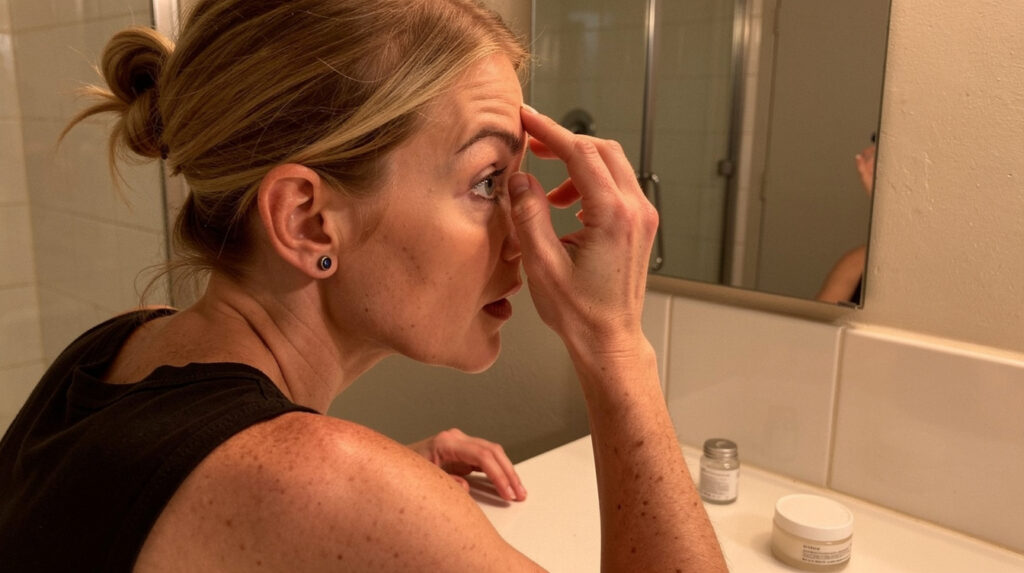
I explain that microblading healing takes approximately four to six weeks, with the most noticeable darkening, flaking, and lightening during the first two weeks. Redness, tightness, itching, and flaking are expected. Strokes may look faded or patchy temporarily, while a touch-up at four weeks helps refine areas needing more definition or pigment.
One of the most common questions I hear after a microblading appointment is: “Is this normal?” The microblading healing process can feel surprising if you’re not prepared for it. Knowing what to expect at each stage helps you feel confident, take better care of your brows, and ultimately get the best possible result.
A day-by-day look at the healing timeline
The microblading recovery timeline spans roughly four to six weeks, though the most intense changes happen in the first ten days. Understanding what’s happening beneath the skin makes the process far less worrying.
Here’s what you can typically expect across the key stages:
- Days 1–2: Your brows will look bold, slightly swollen, and very dark. This is completely normal. The colour you see now is not the colour you’ll keep — pigment sits in the upper skin layers and will lighten significantly as healing progresses.
- Days 3–5: The skin begins to tighten, and you may notice flaking or light scabbing forming. Because microblading uses a handheld blade rather than a machine, there is slightly more skin trauma involved compared to machine techniques like nano brows, so some scabbing is expected and not a cause for alarm.
- Days 5–8: Flaking and peeling become more noticeable. The strokes beneath may appear patchy or even seem to disappear in places — this is a normal part of the process as the outer skin sheds.
- Days 9–14: The surface skin has largely settled. Your brows may look quite light or uneven at this point. Stay patient — pigment is still settling into the deeper skin layers.
- Weeks 3–6: Colour gradually resurfaces and strokes become clearer. By the end of this period, you’ll have a much more accurate picture of your healed result.
A touch-up appointment, typically scheduled four weeks after your initial session, allows me to refine any areas that need more definition or pigment.
What’s normal and what needs attention
During the microblading healing process, some degree of redness, tightness, itching, and flaking is entirely expected. These are signs that your skin is doing exactly what it should.
However, there are a few things worth watching for:
- Excessive swelling that worsens after the first 48 hours
- Oozing that is yellow, thick, or foul-smelling
- Spreading redness or heat around the brow area
- Fever or signs of a systemic reaction
If you notice any of the above, contact me or seek medical advice promptly. In the vast majority of cases, healing proceeds smoothly — but it’s always better to check if something feels off.
It’s also worth noting that results can vary based on skin type. Microblading is best suited to normal or dry skin. Those with oily skin may find that strokes blur or fade more quickly, as excess sebum can affect how pigment settles. I always assess skin type carefully before recommending this technique.
How to support your skin through recovery
Good microblading aftercare is the single most important thing you can do between your initial appointment and your touch-up. The way you care for your brows during healing directly affects how well the pigment retains and how defined your strokes will look long-term.
Key aftercare guidelines to follow:
- Keep the brows dry for the first seven to ten days — no steaming, heavy sweating, or submerging in water
- Apply any recommended aftercare balm sparingly — a thin layer is all that’s needed
- Do not pick, scratch, or rub the brows, even when itching peaks around days five to eight
- Avoid sun exposure and tanning beds during the healing period, as UV light can fade pigment prematurely
- Skip active skincare ingredients — such as retinol, glycolic acid, and exfoliants — near the brow area until fully healed
Proper microblading aftercare isn’t complicated, but consistency matters. Following these steps closely gives your brows the best foundation for a beautiful, long-lasting result.
Frequently Asked Questions
How long does the microblading healing process take in total?
The full microblading healing process takes approximately four to six weeks. The most visible changes — darkening, flaking, and lightening — occur in the first two weeks. After that, pigment gradually settles and the final result becomes clearer. A touch-up session at four weeks completes the process.
Is it normal for microbladed strokes to disappear during healing?
Yes, this is completely normal and part of the microblading recovery timeline. As the outer layers of skin shed, strokes can appear faded or patchy. Pigment is still present beneath the surface and will become visible again as healing progresses. Your touch-up appointment addresses any areas that need reinforcement.
Can I wear makeup over my brows during the healing period?
It’s best to avoid applying makeup directly over the brow area for at least the first two weeks. Products can introduce bacteria to healing skin and interfere with pigment retention. Once the surface has fully settled and flaking has stopped, light makeup around the brows is generally fine. Always check with your technician first.
Why does microblading cause more scabbing than some other brow techniques?
Microblading uses a handheld blade to manually deposit pigment, which creates slightly more skin trauma than machine-based methods like nano brows. This means a little more scabbing during healing is expected and normal. It doesn’t indicate a problem — it’s simply a characteristic of the technique and resolves as the skin heals.
What happens if I don’t follow microblading aftercare instructions?
Skipping or inconsistent microblading aftercare can result in poor pigment retention, patchy strokes, premature fading, or increased risk of infection. Activities like excessive sweating, picking at flakes, or using active skincare near the brows can all disrupt the healing process and affect your long-term result significantly.
When is the microblading touch-up appointment scheduled?
I typically schedule the touch-up appointment four weeks after the initial session. By then, the healing process has progressed and the final result is becoming clearer. The appointment allows me to refine areas that need more definition or pigment after darkening, flaking, and lightening have occurred.
