
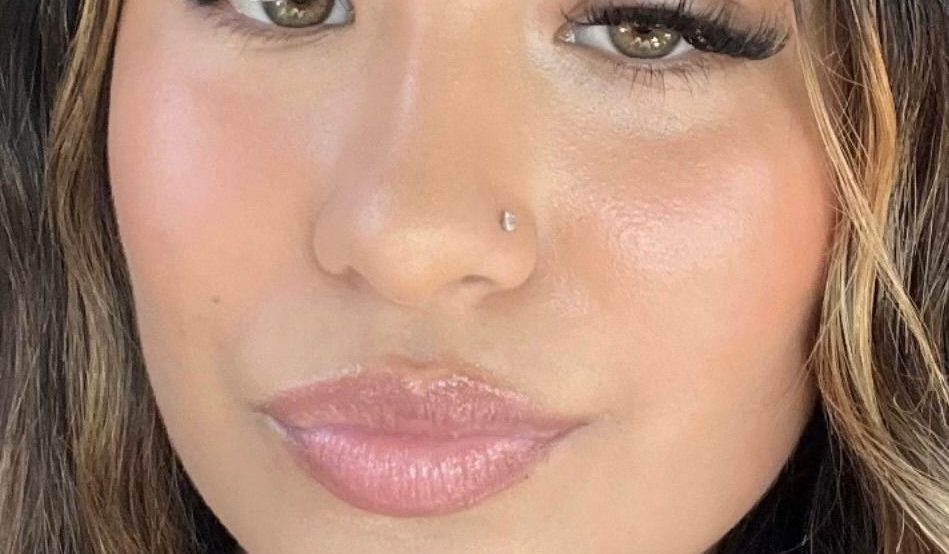
I choose lip blush colors by assessing your skin undertone, natural lip color, and the finish you want. I also consider how your lips retain pigment after healing, using swatches held near your face in natural light. Natural lip tones, lifestyle, makeup habits, and confidence level all help guide the final shade.
Choosing the right lip blush colors is one of the most important decisions you will make before your lip tattoo appointment. The shade you select will influence how natural, defined, or bold the result appears — and how well it complements your complexion over time. With experience in permanent cosmetics, I want to walk you through exactly how I approach color selection at The Micropigment Studio.
What is lip blush and how does color work?
Lip tattoo is the umbrella term for any permanent makeup applied to the lips. Lip blush is the most popular technique — pigment is deposited into the lips using a tattooing method to create a soft, enhanced finish that mimics the look of naturally flushed lips.
Unlike traditional lipstick, lip blush colors are semi-translucent once healed. This means the pigment blends with your natural lip color rather than sitting on top of it. What looks like a bright rose in the pot may heal to a softer, more wearable shade — and that is actually by design.
Understanding this interaction between the applied pigment and your existing lip tone is the foundation of smart lip blush color selection.
How skin undertones affect your lip tattoo shades
Your skin undertone is the single biggest factor in determining which lip tattoo shades will look balanced and cohesive on you. Undertones fall into three broad categories: warm, cool, and neutral.
- Warm undertones — look for peach, terracotta, coral, and brick-based pigments. These shades complement golden or olive complexions beautifully.
- Cool undertones — berry, mauve, dusty rose, and plum-adjacent shades tend to harmonise best with pink or bluish skin tones.
- Neutral undertones — you have the most flexibility. Nude pinks, soft mauves, and rosy browns all tend to work well.
During your consultation, I look at the veins on your inner wrist, your natural lip colour, and how your skin responds to different swatches held close to the face. This gives a clear picture before we commit to anything.
Many clients come in with a specific lip tattoo shade in mind, only to discover a slightly adjusted version suits them far better. That flexibility is part of what makes the consultation process so valuable.
Intensity levels and what to expect from your result
One of the most common questions I hear is whether a particular shade will look too intense or too subtle. The answer depends heavily on the density of pigment applied and how your skin retains color after healing.
For a natural, barely-there enhancement, I typically recommend nude pinks and soft roses that sit close to your natural lip color. For a more defined finish, deeper mauves or warm berries give beautiful dimension without looking overdone. Lip blush color selection is always a collaborative conversation — your lifestyle, daily makeup habits, and confidence level all factor in.
It is also worth noting that all lip blush colors lighten by roughly 30 to 40 percent after healing. I factor this in during shade selection, so the healed result lands exactly where you want it.
Working with your natural lip color
If your natural lips are quite pigmented — deep reds, purples, or very dark tones — this can affect how the applied pigment reads once healed. In these cases, I may recommend a slightly more saturated starting shade to ensure the color shows through adequately.
Conversely, very pale or uneven lips tend to absorb and showcase pigment more vividly, which gives us greater creative range. Regardless of your starting point, the goal of lip blush color selection is always to create a result that looks intentional and flattering in natural light.
I have been working in permanent cosmetics since 1989, and one thing that has never changed is this: the best lip blush colors are the ones that make you look like a more polished version of yourself — not like you are wearing a product.
Frequently Asked Questions
How do I know which lip blush colors will suit me?
The best approach is a thorough consultation before your appointment. I assess your skin undertone, natural lip color, and the finish you are hoping to achieve. Holding pigment swatches close to your face in natural light is the most reliable way to preview how different lip blush colors will interact with your complexion.
Will my lip tattoo shade look exactly as it does in photos?
Not always. Lip tattoo shades can appear more saturated in photos than they look in person once healed. All lip blush pigments lighten by around 30 to 40 percent during the healing process. I factor this into shade selection so your healed result reflects your intended outcome rather than the initial application.
Can I choose a bold color for my lip blush?
Yes, bolder lip blush colors such as deep berry, plum, or warm brick are absolutely achievable. I recommend considering your day-to-day lifestyle and whether you would feel comfortable with a more defined look at all times. We can also build intensity gradually across sessions if you prefer a more cautious approach.
How does lip blush color selection differ for darker skin tones?
Deeper skin tones often have more naturally pigmented lips, which means the applied color needs to be selected carefully to show through adequately. Warm brick reds, rich mauves, and deep roses tend to work well. During consultation, I assess the existing lip tone thoroughly to ensure the chosen shade heals visibly and beautifully.
How long do lip blush colors last before fading?
Lip blush typically lasts between two and five years depending on skin type, sun exposure, and aftercare. Oilier skin types and those who spend significant time outdoors tend to fade faster. A color refresh appointment is recommended once the pigment has faded noticeably to maintain your preferred lip tattoo shade.
What happens during a lip blush color consultation?
I assess your skin undertone, natural lip color, and the finish you hope to achieve. I look at the veins on your inner wrist and hold pigment swatches close to your face in natural light. This helps us compare shades and choose a color that complements your complexion after healing.
