Can SofTap be done over old microblading brows?
Written by Janette Archer
Why old microblading changes the decision
Old microblading is still pigment in the skin, even when it looks faded. I cannot judge suitability from the original photograph or from the word “faded” alone. I need to see how much pigment remains, whether the strokes have spread, and whether the existing shape supports the brow you want now.
Color is important. Microbladed hair strokes can heal cooler over time, sometimes appearing bluish or purplish. SofTap can add new pigment, but it cannot simply erase an unwanted undertone. Adding warm or darker pigment over an unsuitable base may create a result that is heavier, muddier or harder to correct later.
Shape matters just as much. A small amount of old pigment outside the new design may be manageable in some cases. A strong, solid or asymmetrical outline can restrict the shape I can create. Permanent makeup is a tattoo, so I plan for how the result will look not only after the appointment, but as it softens and fades over the years.
When I may recommend SofTap over existing brows
I may consider a SofTap session when the old microblading is sufficiently light, the remaining color is reasonably balanced, and the existing shape is close to the design we agree together. The skin also needs to be healthy and settled. I do not want to layer fresh work over irritation, active inflammation or an incompletely healed procedure.
SofTap is a manual, hand-tapped method rather than traditional bladed microblading. I place pigment with a fine hand tool and can work at a controlled pace, adjusting pressure and placement as I respond to the skin. The aim is a soft, natural enhancement rather than a harsh or heavily saturated brow.
This does not mean SofTap is automatically the right choice for every old brow tattoo. I explain the difference between microblading, SofTap and machine methods during consultation, because the application method affects how pigment settles and how the healed result may look. You can also read my guide to the difference between SofTap and traditional microblading before your appointment.
When removal or correction may come first
I am more cautious when old pigment is dark, dense, visibly blurred, strongly discolored or outside the shape you want. In those situations, adding more pigment can make the brows look heavier and may reduce future options. A correction plan may involve allowing the color to fade further, partial removal, or referral for an appropriate removal assessment before new work.
Removal is not something I recommend casually. It can require its own assessment, and the skin needs time to recover before another permanent makeup procedure. If the shape is the main concern, partial removal may be considered so that the new design has clean boundaries.
I will not promise that every old brow can be covered. My responsibility is to explain what the existing pigment allows and what may remain visible after healing.
What happens at the consultation?
At consultation, I look at your natural brow hair, skin type, existing pigment, previous procedures and the result you would like to live with. We discuss whether you want subtle definition, more visible fullness or a different shape. I design freehand rather than relying on face-measuring devices, because faces are naturally asymmetrical and a measured outline is not always the most flattering design.
I also ask about your medical history and factors that can affect healing. Please tell me about eczema, psoriasis, rosacea, blood-thinning medication or supplements, pregnancy or breastfeeding, keloid scarring, diabetes, immune-compromising conditions and recent Botox or filler. I generally require at least four weeks after Botox or filler before proceeding.
Numbing medicine is used, although you may still feel pressure, tapping or some sensitivity. A first appointment can take longer than people expect because consultation, design, color selection, numbing and the manual work all need proper attention. I would rather take the time to agree the plan than rush a result that will remain on your skin.
How will the brows heal after SofTap?
Fresh permanent makeup usually looks darker or stronger at first. That initial intensity commonly lasts for up to about three days before the brows begin to soften. Light flaking or scabbing can occur, and you should not pick or scratch the area. Follow the specific aftercare instructions I give you, including keeping the brows dry for the advised period and avoiding direct sun, facial creams and exfoliants on the treated area while it settles.
The color continues to soften during a four to six week healing period. A perfecting touch-up is commonly assessed after the brows have healed, often around six to ten weeks for SofTap. At that stage, I can evaluate retention and make appropriate color or detail adjustments.
SofTap results are semi-permanent, not temporary makeup. Longevity varies with skin type, lifestyle, sun exposure and aftercare, and many clients need a refresh after one to three years. I provide SofTap permanent makeup treatment in Willow Glen, San Jose. You can review my eyebrow permanent makeup services and find contact and location information before arranging a consultation.
If you have old microblading, bring clear information about when it was done and whether any removal was attempted.
You are welcome to book a consultation if you would like me to assess your existing brow pigment.
Frequently asked questions
Can I get SofTap if my old microblading is barely visible?
Possibly. Light pigment is not the same as absent pigment, so I still need to check the remaining color, shape and skin condition. If the old work is soft and compatible with the new design, SofTap may be appropriate. If the undertone or shape is unsuitable, another plan may be needed.
Will SofTap cover blue or purple microblading?
Fresh pigment may influence the appearance, but SofTap does not erase a blue or purple undertone. Layering color over it can produce an unpredictable healed result. I assess whether the old pigment is light and stable enough to work with, or whether color correction, fading or partial removal should be considered first.
Can SofTap change the shape of old microbladed brows?
Only within the limits created by the existing pigment. A small adjustment may be possible when the old color is light. If the previous outline is dark, wide or uneven, adding SofTap may make the brows heavier. Partial removal or another correction step may be more appropriate for a significant shape change.
How long should I wait after old microblading before having SofTap?
The skin should be fully healed and settled before another procedure is considered. The appropriate interval depends on when the previous treatment was performed, whether there was a touch-up, and how the skin healed. I assess this during consultation rather than applying one waiting period to every client.
Is SofTap the same as microblading?
No. Traditional microblading uses a handheld blade to create fine incisions. SofTap uses a manual hand tool and tapping motion instead. I explain the distinction before treatment so you understand the technique being recommended.
Can old microblading be completely removed before SofTap?
Removal may be possible, but it is not always immediate or complete, and the method requires its own assessment. The skin must also recover before new pigment is placed. I do not assume removal is necessary without seeing the brows, and I do not promise that adding SofTap will conceal every remnant.
What if I am pregnant or breastfeeding and want to refresh old brows?
I do not perform SofTap or other brow tattoo procedures during pregnancy. The skin is still punctured and pigment is introduced, even when the method is gentle. Breastfeeding and individual health circumstances should be discussed before booking. Please disclose pregnancy, breastfeeding and relevant medication during the consultation process.
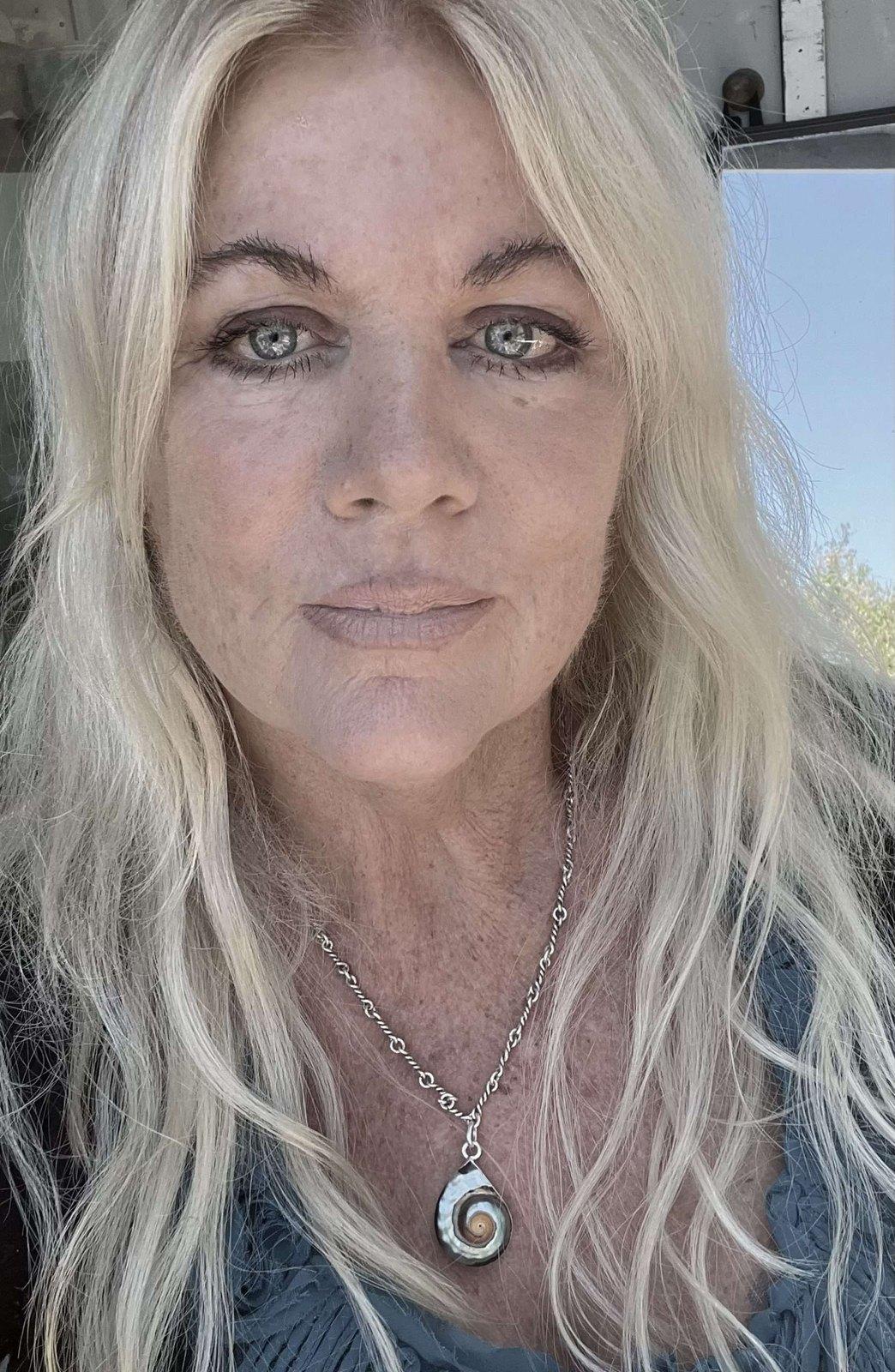
Janette Archer
SMP and permanent makeup artist
Janette studied at Elegance International Academy of Professional Makeup in west Los Angeles, receiving her certification in makeup artistry for television and photographic makeup in 1978.
Meet JanetteFind us first on Google